

Sustainable Energy for Farms
Sustainable, cost-effective energy solutions for agricultural operations of all sizes.
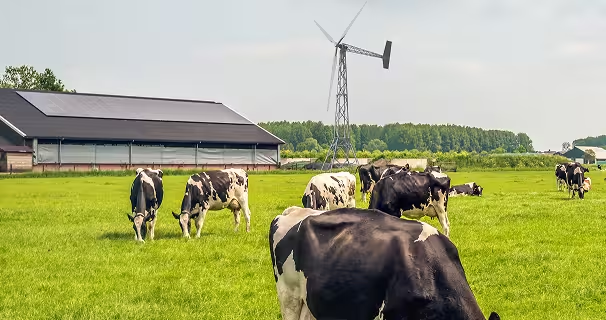
From irrigation systems to grain dryers, energy is essential to modern farming. Freen’s wind turbines for farmers provide a reliable and sustainable power source, helping reduce costs and improve energy efficiency. With additional energy storage like Freen sodium or lithium batteries, our solutions are tailored to meet the unique energy needs of agricultural operations. Energy is available exactly when you need it.
Tackling Energy Challenges in Agriculture
Farming operations face unique energy challenges that demand innovative solutions. Here’s how small wind turbines and energy storages address these issues:
-
High Energy Costs
Farms rely on energy-intensive systems like irrigation, heating, and ventilation. Wind and battery system lowers the energy you buy from the grid, stores cheap surplus wind and uses it during peak-price hours, shaving demand peaks.
-
Remote Locations
Many farms are situated far from main power grids, making it difficult to access reliable energy. Battery storage and wind turbines on farms offer a sustainable, off-grid solution.
-
Energy Reliability
Power outages can disrupt critical farm operations. A farm windmill ensures consistent energy supply for daily activities, and storage captures surplus wind from breezy periods and releases when its needed
-
Financing Options
Hybrid energy systems, small wind and energy storages support energy transition in agriculture and are subsidized in most EU countries.
-
Scalable & tailored
Modular sodium-ion or LiFePO₄ battery blocks like Freen let sizing for duty cycles (night irrigation, drying cycles, backup hours).
Efficient, Reliable Energy for Your Farm
Freen’s energy storages and wind turbines for agriculture are designed to deliver clean and consistent energy for farms of all sizes. By harnessing wind power, farmers can lower energy costs, increase energy efficiency, and reduce reliance on fossil fuels. Small wind turbines and energy storages can be used in hybrid systems or as a stand-alone renewable energy source.
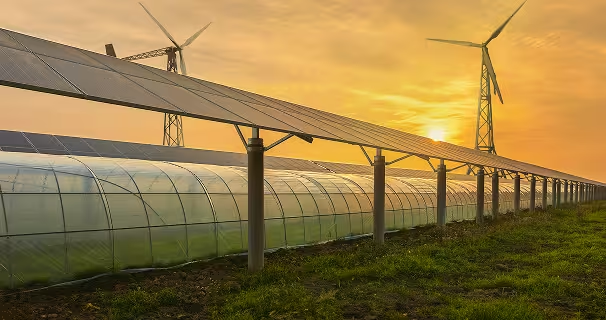
By integrating small wind turbines or a hybrid energy system that combines storage, solar, and wind power into the daily operations you can reduce energy costs and ensure consistent energy supply during high demand periods. Possible setups include self-consumption (using generated energy with surplus sold or returned to the grid), grid sale (selling all generated energy to the utility), and net metering (balancing self-consumption with grid input, often with annual compensation).

Find out which energy system is best for your farm.
Get consultationSmall Farm in Mild Climate
≈50 MWh
4 m/s
6 m/s
33.2 MWh (66%)
73.1 MWh (146%)
*AEP = Annual Energy Production.
Greenhouse/ Barn Heating During Peak Seasons
≈250 MWh
4 m/s
6 m/s
66.4 MWh (26.6%)
146.2 MWh (58.5%)
4 m/s
6 m/s
169.4 MWh (68%)
251.2 MWh (~100.5%)
*AEP = Annual Energy Production. **PV yield assumption: ~1,000 kWh/kWp/year → ≈105 MWh/year
-
Infrastructure
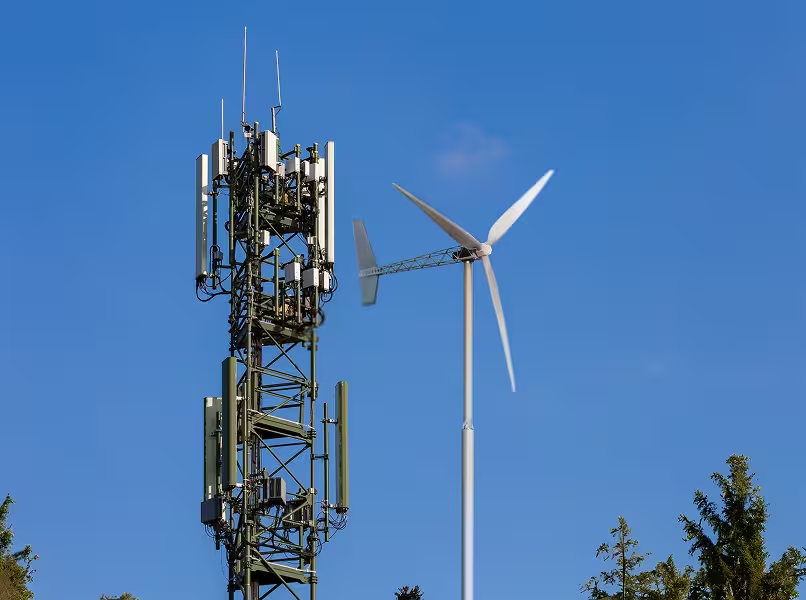
Sustainable power for critical systems like telco towers, traffic signals, and EV charging stations.
-
Public Sector
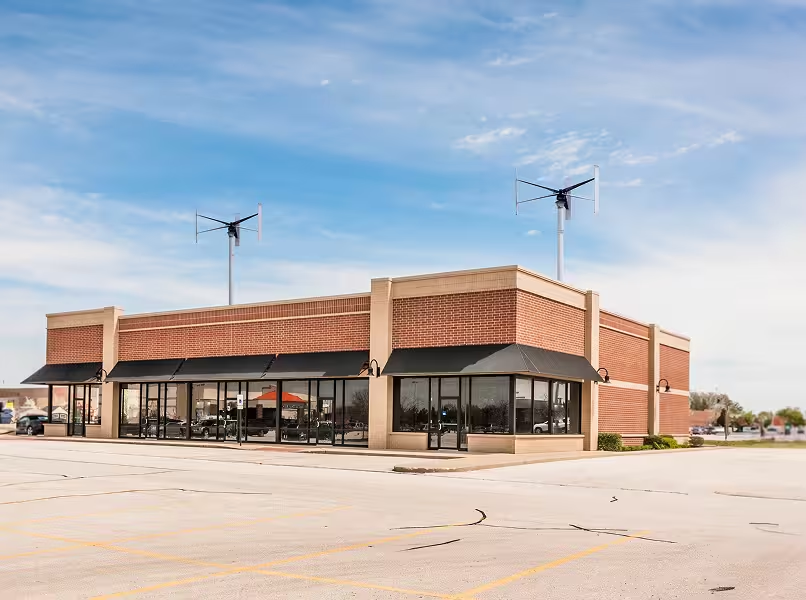
Clean, reliable energy for hospitals, schools, and government facilities.
-
Residential
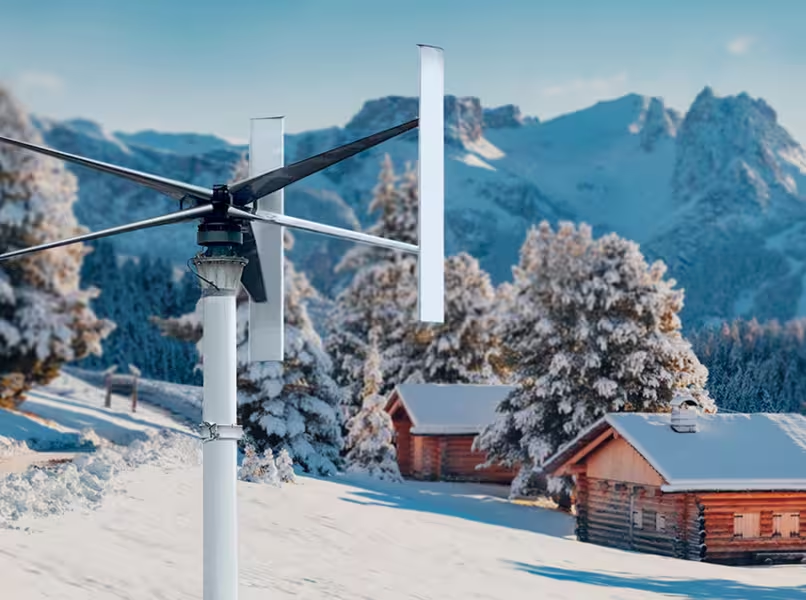
Save energy costs and gain energy independence with home wind turbines and energy storages.
Wind energy is a powerful solution for generating green energy for farms, providing sustainable and reliable power for agricultural operations. The average number of wind turbines in a wind farm depends on factors like available land and energy needs but typically ranges from one to a few wind farm turbines. Key considerations before installation include also the distance between wind turbines in a wind farm, which ensures optimal energy capture and efficiency.
To further enhance energy independence, farms can integrate battery storage systems—either lithium-ion or the new-generation sodium-ion type. These batteries store excess energy produced during windy or sunny periods and release it when production drops, ensuring a stable power supply for heating, irrigation, and other essential operations. Freen offers customizable solutions with farm wind turbines for sale and energy storage.
See Our Products
-

Vertical Wind Turbines
-

Horizontal Wind Turbines
-

Energy Storages
Still Have Questions?
-
The income from a wind turbine depends on wind conditions, energy prices, and whether the electricity is used on-site or sold back to the grid. Wind turbines on farmland can provide both cost savings and a potential revenue stream. If you're wondering how much money does a wind turbine make, or how much do farmers get paid for wind turbines, the amount varies depending on location, contract terms, and turbine output. Feel free to contact us, and our expert will provide you with a personalized offer.
-
Both technologies have advantages. Lithium-ion batteries offer high efficiency and compact size, while sodium-ion batteries provide a safer, more temperature-resistant, and cost-effective solution—especially for agricultural environments. Freen offers both options, allowing farmers to choose the system best suited to their needs and budget.
-
Yes. By storing energy when production is high and prices are low, farmers can use their own power when grid electricity is more expensive. This reduces operational costs and increases independence from market price fluctuations.
-
Yes, some receive direct payments for leasing land, while others benefit from energy savings or selling excess energy to the grid. Another possible model is to combine income with leasing the land and benefit from attractively priced energy when needed. How much are farmers paid for wind turbines? Calculation depends on agreements with energy providers or developers, wind potential in your area as well as legislation. If you'd like a personalized estimate, we offer a free consultation. Contact us to learn more about how much income or savings you can generate on wind energy.
-
Traditionally, windmills have been used for water pumping and grain milling. Today, modern wind turbines generate clean electricity, improving energy efficiency in agriculture by reducing reliance on fossil fuels. Many farmers adopt renewable energy for farms to lower costs and ensure a stable energy supply. Investing in renewable energy for sustainable agriculture also supports long-term environmental and financial benefits.
-
Battery storage allows farms to use renewable energy more efficiently by storing excess electricity produced during windy or sunny periods. This stored energy can then be used at night or during calm weather, ensuring continuous power for heating, irrigation, and machinery without relying on the grid.
Ready to take the first step?
Contact us to connect with renewable energy consultants in your area.

