Electricity is the backbone of modern life. It powers heating systems, water pumps, refrigeration, communication, and security. When the grid goes down, these systems stop. Often immediately.
For homeowners, farms, and small businesses, even a short outage can quickly become a serious disruption. Frozen pipes, spoiled food, interrupted work, or disabled safety systems are not theoretical risks—they happen every year across Europe and beyond.
This is why more people are no longer asking how to save on electricity, but rather:
How do I keep everything running when the power fails?
What Happens When Grid Power Fails Home Systems?
When electricity is lost, most buildings are not designed to cope. In a typical home or farm, some systems are affected within minutes. Heating systems and circulation pumps stop working, water supply may fail if pumps are electric, refrigerators and freezers begin to warm up, internet, communication, and monitoring systems go offline.
For farms and rural operations, the impact can be even more severe—affecting livestock systems, irrigation, and food storage. This is why the question is no longer just about comfort, but about continuity and risk mitigation.
Backup Power Solutions for a House Without a Generator
Traditional backup solutions often rely on diesel or petrol generators. While they can be effective, they come with limitations: fuel dependency, noise, maintenance, and manual operation. Today, more homeowners are looking for renewable, automated alternatives that work continuously.
The most common modern options include:
- • Solar panels with battery storage
- • Small wind turbines for local generation
- • Hybrid systems combining wind, solar, and storage
- • Advanced battery systems for energy buffering
Among these, hybrid renewable systems are becoming the most reliable approach—because they do not depend on a single energy source.
How to Protect Your Home From Blackouts
Protecting a home or farm from blackouts is not about a single device—it is about building a system that can operate independently when needed.
A resilient setup typically includes:
- • Local energy generation (wind and/or solar)
- • Energy storage (battery system)
- • Smart energy management to prioritize essential loads
The goal is simple: when the grid goes down, your system continues to operate.
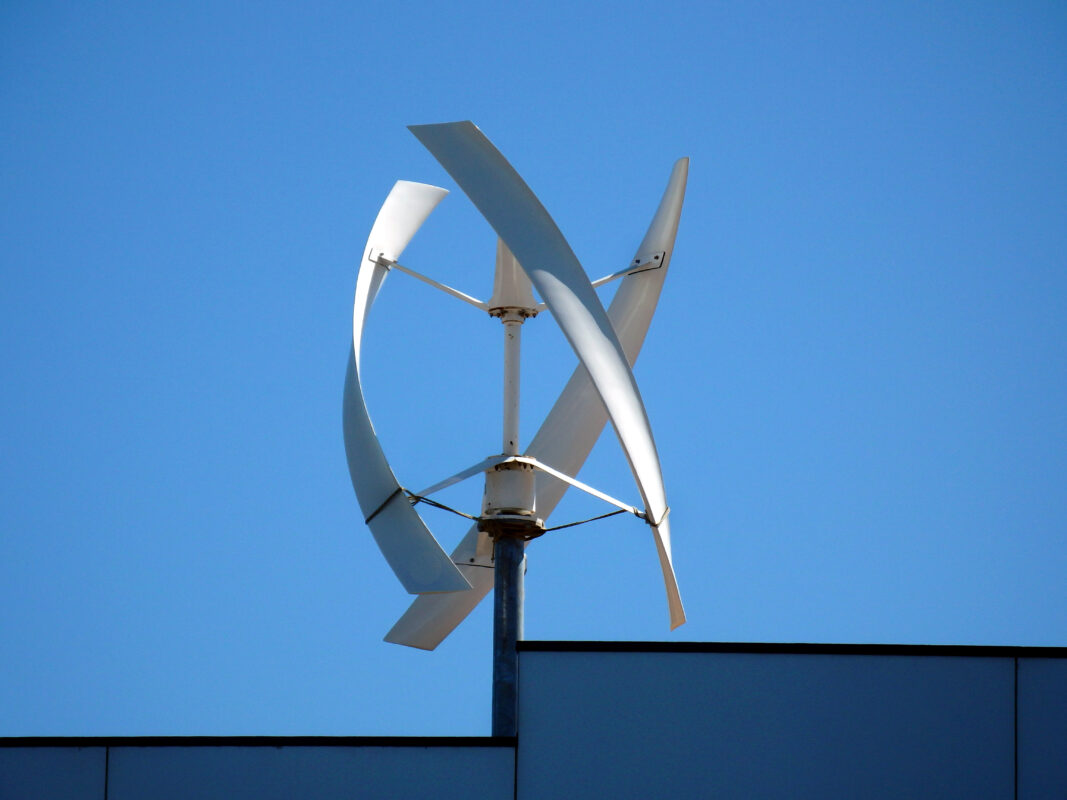
This is where solutions like the Freen-9 wind turbine come into play—either as a standalone energy source or as part of a hybrid system.
What is the best way to stay powered during a blackout without a generator?
The most effective approach today is a hybrid renewable energy system that combines generation and energy storage.
Instead of relying on fuel, the system produces and stores energy continuously. During normal operation, it can reduce grid consumption. During an outage, it can support essential systems.
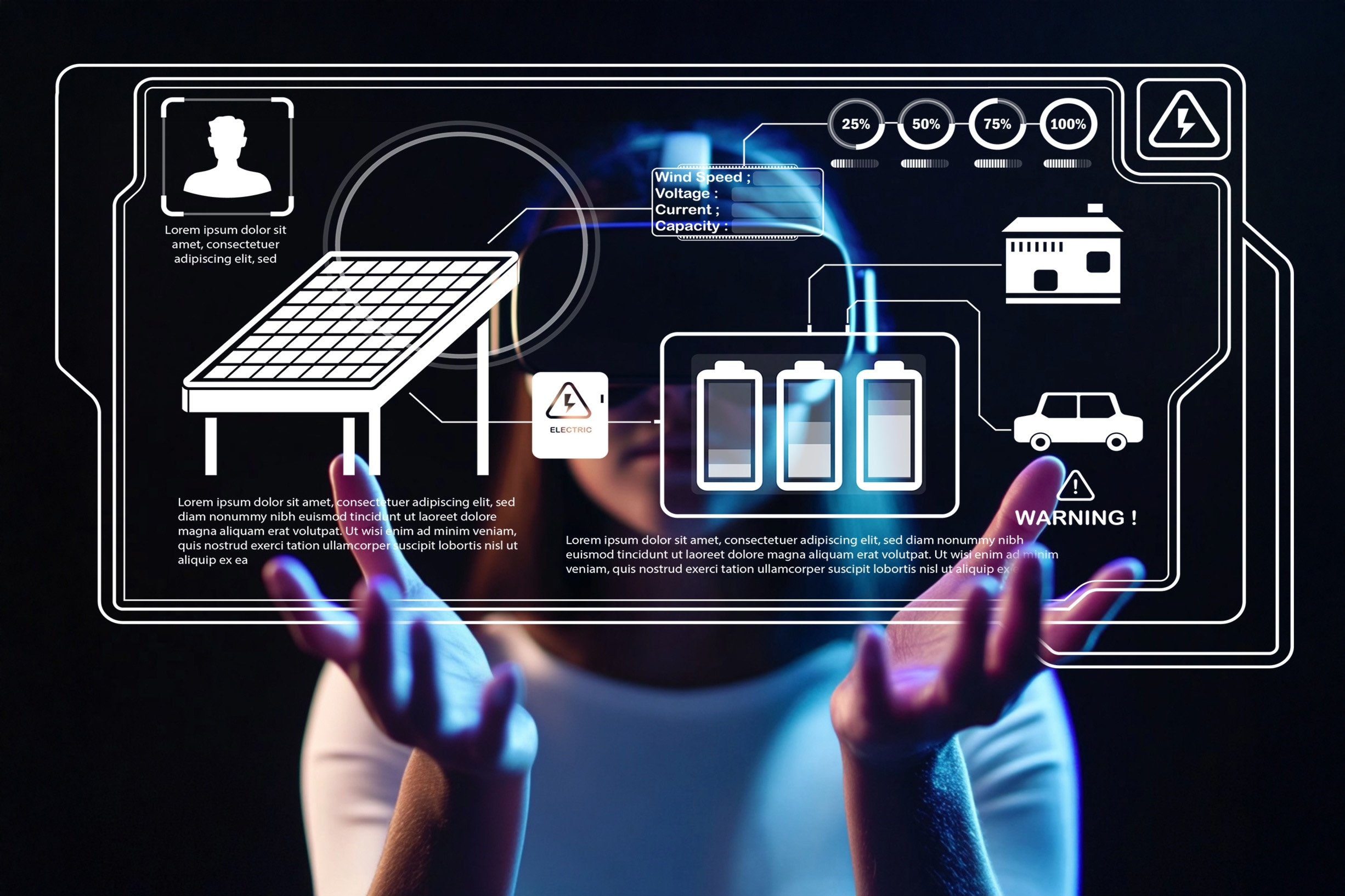
A typical setup may include:
- • A small wind turbine (such as Freen-9)
- • Solar panels for daytime production
- • A battery system (e.g., sodium-ion storage)
- • An inverter managing energy flow and priorities
This type of system operates automatically—no refueling, no manual startup, and no dependency on external supply chains.
Want to See If This Fits Your Situation?
Every property is different. Wind conditions, energy usage, and backup needs all matter.
Whether you’re considering a Freen-9 turbine or a hybrid system with solar and battery storage, we can help you find the right setup.
Write us to contact@freen.com to evaluate your options.
Can a small wind turbine keep my house running if the grid goes down?
A small wind turbine like Freen-9 can contribute significantly to keeping a home operational during an outage—but the key is how it is integrated.
On its own, a wind turbine provides continuous local generation. When paired with a battery system, it becomes far more effective:
- • It generates electricity whenever wind is available
- • It charges the battery for later use
- • It helps sustain essential loads over time
This means that even during extended outages, the system can continue to produce and store energy—reducing downtime and dependency on external sources.
Is a hybrid solar and wind system worth it for backup power?
A hybrid system is often the most reliable solution because it balances different energy sources.
Solar panels produce energy during the day, while wind turbines can generate power day and night, depending on conditions. Together, they create a more stable and predictable system.
Key advantages of hybrid systems include:
- • More consistent energy production across different weather conditions
- • Reduced reliance on a single source
- • Better battery utilization and charging cycles
- • Increased resilience during long outages
 
From a financial perspective, traditional ROI calculations focus on energy savings. However, hybrid systems also deliver something harder to quantify: the ability to continue operating when others cannot.
How do farms deal with power outages?
Farms are among the most vulnerable to power disruptions because many critical processes depend on electricity. To manage this risk, more farms are adopting decentralized energy systems that provide local generation and backup capability.
Typical applications include powering water pumps and irrigation systems, maintaining ventilation and feeding systems for livestock, supporting refrigeration and storage, or ensuring continuous operation of automated equipment.
For these environments, systems combining wind turbines, solar panels, and battery storage are increasingly seen not as optional, but as essential infrastructure.
What system keeps electricity running 24/7 at home?
There is no single device that guarantees uninterrupted power in all conditions. Instead, continuous operation is achieved through a combination of technologies working together.
A reliable 24/7 setup typically includes:
- • Wind energy (for continuous and night-time generation)
- • Solar energy (for daytime production)
- • Battery storage (for energy buffering and stability)
- • Smart control systems (to manage loads and priorities)
In this configuration, the Freen-9 wind turbine plays a critical role by adding generation capacity beyond daylight hours—helping to maintain system balance and long-term reliability.
How to Make Your Home More Energy Independent
Energy independence does not necessarily mean going fully off-grid. For many users, the goal is to reduce reliance on the grid and increase resilience.
This can be achieved step by step:
- • Start with local generation (wind or solar)
- • Add battery storage to increase flexibility
- • Optimize energy usage and prioritize critical systems
- • Expand into a hybrid system for greater reliability
Over time, this approach transforms a standard home into a more autonomous and resilient energy system.
More Than Savings: Energy as Risk Management
A wind turbine is often evaluated based on payback time. But in reality, the cost of a single power outage—especially in critical environments—can exceed years of expected savings.
Solutions like Freen-9, whether used alone or as part of a hybrid system with solar and sodium-ion battery storage, provide something beyond efficiency:
- • Reduced dependency on external power
- • Continuous local energy generation
- • Support for essential systems during disruptions
- • Greater control over energy availability
This is not just an energy upgrade. It is a practical step toward resilience, continuity, and long-term security.
Take Control of Your Energy
Power outages are unpredictable—but your energy system doesn’t have to be.
With Freen-9 and hybrid solutions, you can keep essential systems running when the grid fails.
Get in touch to explore your setup.