For many years, you either relied entirely on the grid or installed a single alternative source, most commonly solar panels. But today, energy needs have changed. Homes, farms, and small businesses depend on continuous electricity, not just during the day or when conditions are ideal.
This is why hybrid energy systems—combining multiple sources—are becoming the new standard. They are designed not just for efficiency, but for reliability and resilience.
What Is a Hybrid Energy System?
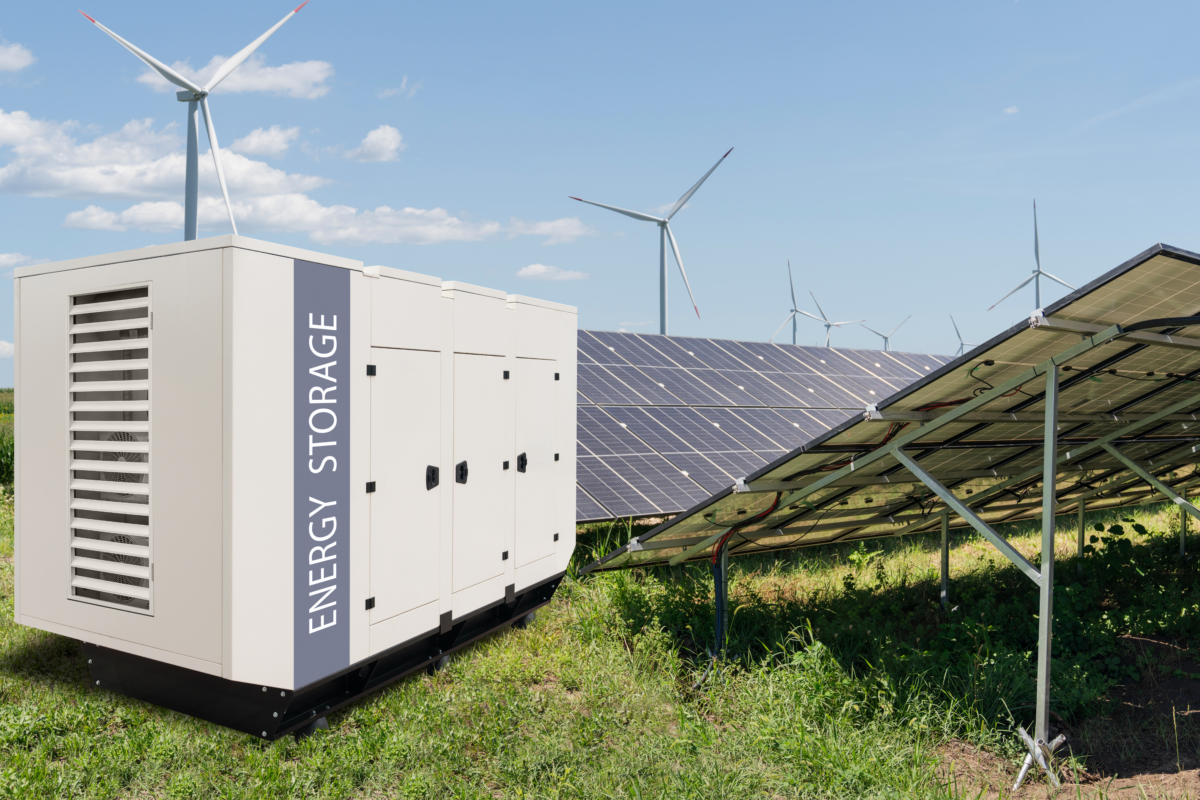
A hybrid energy system combines multiple energy sources—typically wind, solar, and battery storage—to provide a more stable and continuous power supply.
Instead of relying on one source, the system balances production and storage across different conditions.
A typical hybrid setup includes:
- • Solar panels – generate electricity during daylight
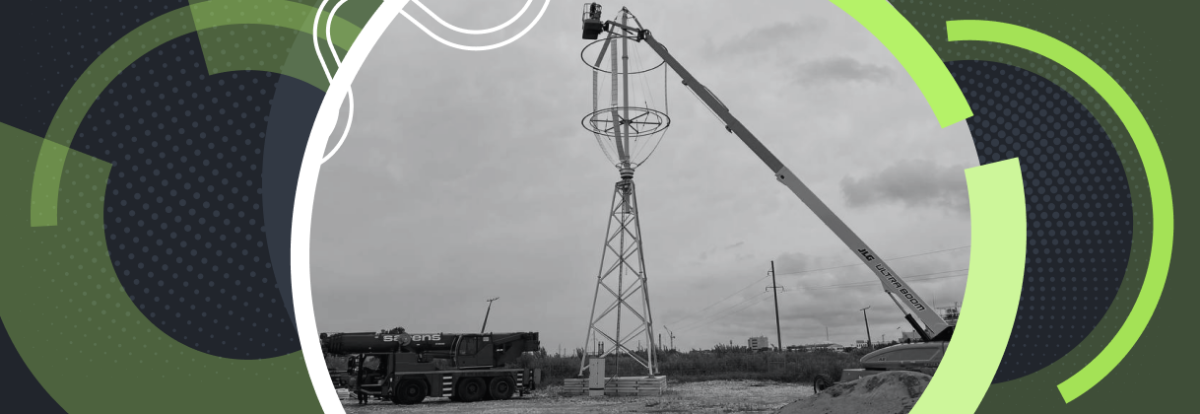
- • Wind turbine (e.g., Freen-9 or Freen-20) – produces energy day and night, depending on wind
- • Battery storage (e.g., sodium-ion) – stores excess energy for later use
- • Inverter/controller – manages energy flow and prioritizes usage
This combination ensures that energy is available more consistently than with any single source.
How Hybrid Systems Work in Practice
Hybrid energy systems are smart—they constantly adapt to whatever energy is available and whatever you need at the moment.
During the day, solar panels produce electricity, and any extra energy is stored in a battery for later use.
When the wind picks up, the turbine adds even more power. This can either charge the battery further or supply energy directly to your home or business.
If there’s a grid outage, the system automatically switches to using stored energy and on-site generation. That means your essential equipment keeps running without interruption.
This ability to balance different energy sources in real time is what makes hybrid systems so reliable—especially when it comes to backup power and energy independence.
Why Combine Wind and Solar?
Solar energy alone is limited to daylight hours. Wind energy, on the other hand, can generate power at any time—often increasing at night or during seasonal changes.
By combining both, hybrid systems reduce gaps in production.
Key benefits of combining wind and solar:
- • More consistent energy generation over 24 hours
- • Reduced dependency on weather patterns
- • Improved battery charging cycles
- • Greater overall system stability
For example, when solar production drops in the evening, a wind turbine like Freen-9 or Freen-20 can continue generating power—helping maintain supply.
The Role of Battery Storage
Battery storage is what turns a hybrid system into a reliable energy solution. Without storage, excess energy is lost. With a battery, it can be used when needed, especially during outages or low production periods. Modern systems increasingly use sodium-ion batteries due to their safety, stability, and suitability for stationary storage.
Battery systems provide:
- • Energy availability during outages
- • Load balancing between production and consumption
- • Reduced reliance on the grid
- • Improved system efficiency
In simple terms, the battery acts as a buffer that keeps everything running smoothly.
When Does a Hybrid System Make Sense?
Hybrid systems are particularly valuable in environments where power reliability matters.
They are commonly used in:
- • Homes in areas with frequent outages
- • Farms with critical electrical systems
- • Remote or semi-off-grid properties
- • Businesses requiring operational continuity
 
In these cases, the system is not just about saving energy—it is about avoiding disruption.
Hybrid vs. Generator: What’s the Difference?
Traditional generators have long been used as a backup power solution—but they were never designed to be a long-term energy strategy. Hybrid systems take a completely different approach by generating and managing energy continuously, not just during emergencies.
The key difference starts with the energy source. Generators rely on fuel—usually diesel or petrol—which means ongoing costs, supply logistics, and exposure to fuel price volatility. Hybrid systems, on the other hand, use renewable energy from the sun and wind. Once installed, the “fuel” is free and locally available.
Operation is another major contrast. Generators typically require manual intervention or at least periodic checks—they need to be started, refueled, and maintained. Hybrid systems are fully automated. They monitor production, storage, and consumption in real time, switching between sources seamlessly without user input.
There’s also a fundamental difference in how long each solution can provide power. Generators are designed for short-term backup—hours or days, depending on fuel availability. Hybrid systems are built for long-term resilience. As long as there is sun, wind, or stored energy available, they can continue operating indefinitely.
From a practical standpoint, generators come with downsides: noise, emissions, regular servicing, and mechanical wear. Hybrid systems are much quieter, require significantly less maintenance, and have fewer moving parts—especially on the solar and battery side.
That said, generators still have a role. In some cases—such as critical infrastructure or periods of unusually low renewable generation—they can act as a secondary backup layer within a hybrid system.
The big shift happening today is this: instead of being the primary solution, generators are becoming a last-resort safety net. Hybrid systems are increasingly taking over as the main source of reliable, independent power—especially in environments where energy security, cost stability, and sustainability matter.
Can a Hybrid System Power a Home 24/7?
Yes—with the right configuration, a hybrid system can support continuous operation.
However, performance depends on:
- • System size and design
- • Local wind and solar conditions
- • Battery capacity
- • Energy consumption patterns
A well-designed system using wind (Freen-9), solar, and battery storage like Freen-BSL can significantly reduce grid dependency and, in some cases, enable near-complete energy independence.
The Shift From Savings to Resilience
Traditionally, energy systems were evaluated based on cost savings and payback time.
But today, the conversation is changing. More users are asking what happens if the grid fails, how long can they operate without external power, and last but not least – what is the cost of downtime? Hybrid systems address these concerns directly by providing local, continuous energy generation and storage.
Moving toward a hybrid system does not have to happen all at once. A phased approach often works best:
- • Start with one energy source (wind or solar)
- • Add battery storage for flexibility
- • Expand into a full hybrid system over time
This allows for gradual investment while building toward full resilience.
Energy Systems Built for Real-World Conditions
Hybrid systems that combine wind, solar, and battery storage represent a shift toward more practical and resilient infrastructure.
Solutions like Freen-9, especially when integrated into a hybrid setup, help ensure that energy is not only available—but dependable when it matters most.
Want to understand how a hybrid system would work for your property?
Contact us to explore the right combination of wind, solar, and storage for your needs.
Write us: contact@freen.com