A year ago, Spain came to a standstill for several hours. Lights went out, trains stopped, banks and payment systems failed. In that moment, something we usually take for granted—electricity—revealed itself as the foundation of modern life.
Today, with some distance, this event looks less like a technical failure and more like a warning. Because the question is no longer whether a blackout can happen again. The real question is: has Europe actually learned from it?
In the days following the outage, many simplified conclusions appeared. The most common one was: “it was caused by renewables.”
But that’s not true.
The problem wasn’t that Spain had a lot of solar and wind energy. The problem was that the system wasn’t prepared to handle it. There was a lack of stability, flexibility, and—most importantly—proper safeguards.
It’s a bit like letting thousands of new cars onto a highway without changing traffic rules or infrastructure. Sooner or later, chaos is inevitable.
An Energy System That No Longer Matches Reality
Today’s power grid was designed decades ago, when electricity was generated by a few large power plants and flowed in one direction—to the consumer.
Today, anyone can be a producer. Solar panels sit on rooftops, companies invest in their own energy sources, and wind and solar are increasingly dominating the energy mix.
And yet, the system still operates as if nothing has changed.
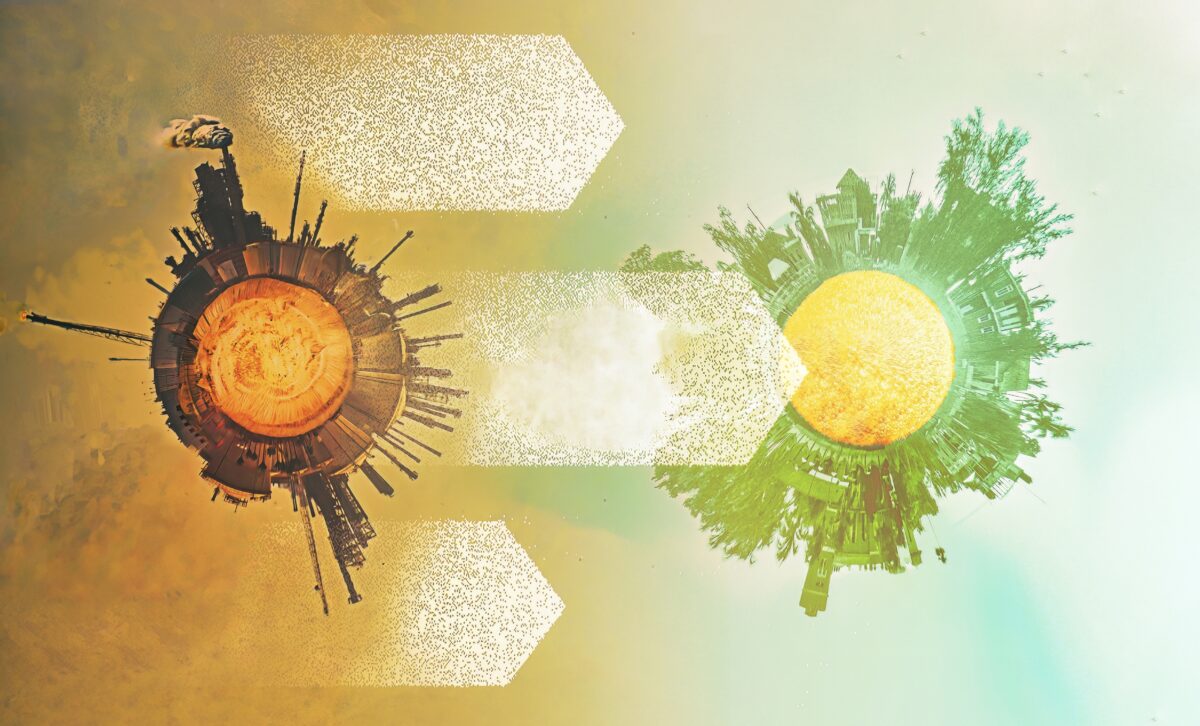
This gap—between modern energy production and outdated infrastructure—is one of Europe’s biggest challenges.
Energy Is No Longer Just a Utility Bill
In recent years, something else has shifted. Energy is no longer just a cost.
It has become a matter of security.
The war in Ukraine showed how dependent Europe was on external fuel supplies. Tensions in the Middle East reminded us how quickly global conflicts can affect energy prices. And growing geopolitical instability across Europe and Asia is only reinforcing this sense of uncertainty.
Today, electricity is no longer just about price or sustainability.
It’s about the stability of businesses, farms, and entire economies.
What Do We Really Need After This Lesson?
The blackout in Spain revealed something important: the issue isn’t a lack of energy. The issue is how we organize it.
Europe doesn’t need fewer renewable energy sources. It needs a system that can work with them.
It’s becoming increasingly clear that the future won’t rely solely on large power plants and centralized control. It will be more distributed.
Energy will be generated closer to where it is consumed—within businesses, farms, and local communities. This naturally increases the resilience of the entire system. If something fails in one place, the rest can continue operating.
At the same time, something that used to be seen as optional is now becoming essential: energy storage.
Without it, the system will always be balancing on the edge of instability. With it, it becomes predictable.
Energy Independence Starts Locally
More and more companies and households are beginning to understand something simple: it’s not just about where energy comes from. It’s about whether you have control over it.
The ability to operate independently from the grid—even for a few hours or days—is no longer a luxury. It’s becoming part of risk management.
This is where hybrid systems come into play: a combination of solar, wind, and energy storage. Not because it’s trendy—but because it works.
At the same time, more people are starting to think about energy in very practical terms: “what happens if the power goes out where I am?”
This is where solutions that were once considered niche are becoming a real answer to uncertainty. Small wind turbines, solar installations, and energy storage systems can work together to create a local, independent power system.
Such a setup doesn’t rely solely on sunshine—wind often complements it, and storage allows energy to be used exactly when it’s needed. This is no longer a futuristic concept, but a practical tool that delivers something very real: peace of mind and control.
For many businesses, farms, and homeowners, this is the first step toward true energy independence—not the kind declared at the national level, but the kind you actually feel in everyday life.
One Lesson for the Future
The blackout in Spain did not expose the weakness of renewable energy. It exposed the weakness of a system that cannot keep up with change.
Today, Europe faces a choice. It can continue trying to “fix” the old energy model, or it can start building a new one—more flexible, more local, and more resilient.
Real energy independence does not exist only at the level of nations. It is built where energy is actually used—in businesses, farms, and communities.
And that is where the future of Europe’s energy system will be decided.
A year ago, Spain was reminded of something very simple: without electricity, everything stops.
Today, Europe should ask a different question:
do we want a system that works only when everything goes according to plan?
Or one that keeps working even when things go wrong?
In an increasingly unpredictable world, the answer to that question matters more than ever.