

Reduce Your Business Energy Bills
Cost-efficient and reliable energy solutions for businesses.
Small and commercial wind turbines help businesses achieve energy independence and reduce their carbon footprint. Combined with energy storage, they offer scalable and sustainable energy solutions that help to cut costs. Whether you run a retail space, a manufacturing plant, or a data center, our wind power and energy storage solutions deliver unmatched efficiency and savings. Discover how our batteries and wind turbines for business can transform your energy strategy.
Energy Challenges in the Business World
Businesses face growing energy demands and rising costs. Here’s how small wind turbines and energy storage help solve common challenges:
-
High Energy Costs
Businesses often struggle with fluctuating energy bills. Our turbines, batteries, and energy systems provide cost-efficient renewable power, helping you save on your electric bills and reduce expenses.
-
Environmental Impact
Many companies are under pressure to lower their carbon footprint. Sustainable energy solutions support your ESG goals.
-
Energy Reliability
Power outages and grid dependence disrupt operations. With Freen’s wind power and energy storing solutions, businesses can achieve energy independence and consistent power supply.
-
Scalability
Small businesses and large enterprises alike need flexible energy systems. Our products are scalable to meet the needs of any operation.
Efficiency of Wind Energy for Your Business
From small business energy needs to bigger scale industrial applications, Freen’s solutions deliver exceptional performance. How Efficient Is Wind Energy for Businesses? Compared to fossil fuels, wind energy offers a reliable and renewable alternative, helping businesses lower energy costs and reduce dependency on the grid.
Freen’s small wind turbines offer businesses a sustainable and reliable energy solution, generating clean electricity to power operations efficiently. When integrated with solar power and energy storage, they ensure continuous 24h energy supply, reducing reliance on the grid.
Renewable energy systems can be configured differently depending on a country’s legislation, typically synchronizing with the grid to minimize or replace utility power use.
There are three main models: self-consumption, where generated energy is used on-site and excess may be sold or returned to the grid; grid sale, where all renewable energy is sold to the utility at a regulated price; and net metering, where surplus energy is fed into the grid and later compensated, sometimes across multiple consumption points.

Find out which energy system is best for your business.
Get consultationWind-powered EV Charging Stations
Charging Station
≈40,5 MWh

4 m/s
6 m/s
33.2 MWh (82%)
73.1 MWh (180%)
*AEP = Annual Energy Production.
Charging Electric Warehouse Fleet
≈70 MWh

4 m/s
6 m/s
33.2MWh (47%)
73.1 MWh (104%)
*AEP = Annual Energy Production.
Explore Other Use cases
-

Infrastructure
Sustainable power for critical systems like telco towers, traffic signals, and EV charging stations.
-

Public Sector
Clean, reliable energy for hospitals, schools, and government facilities.
-

Residential
Save energy costs and gain energy independence with home wind turbines and energy storages.
Freen offers alternative renewable energy sources designed to drive sustainability and deliver significant energy cost reduction for businesses of all sizes. Our business energy solutions provide a reliable renewable energy alternative, helping urban companies and rural businesses alike reduce their reliance on traditional grids. By leveraging renewable alternative energy resources, we ensure flexible and scalable energy solutions for businesses, tailored to meet operational demands while achieving long-term cost savings.
-
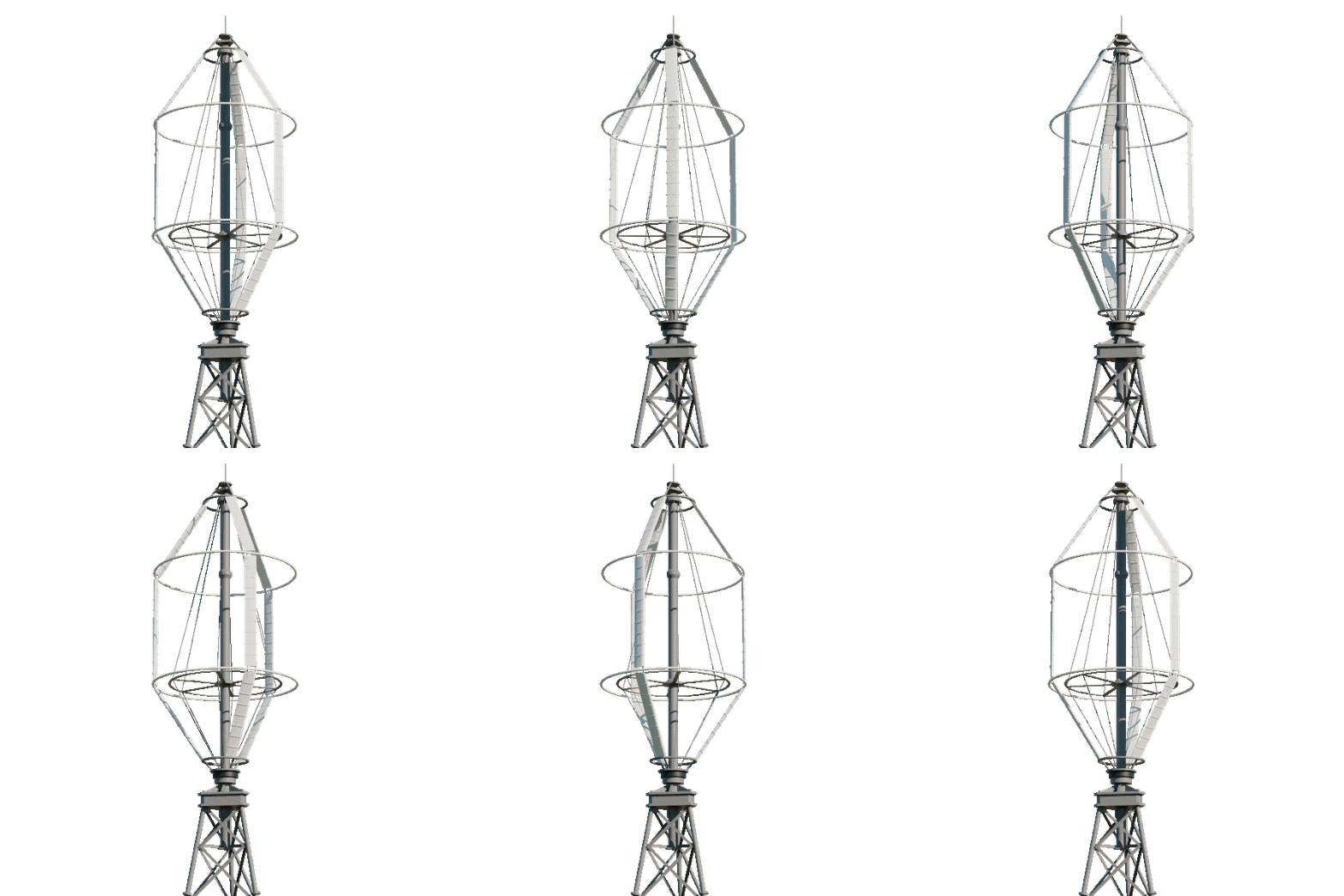

Vertical Wind Turbines
-
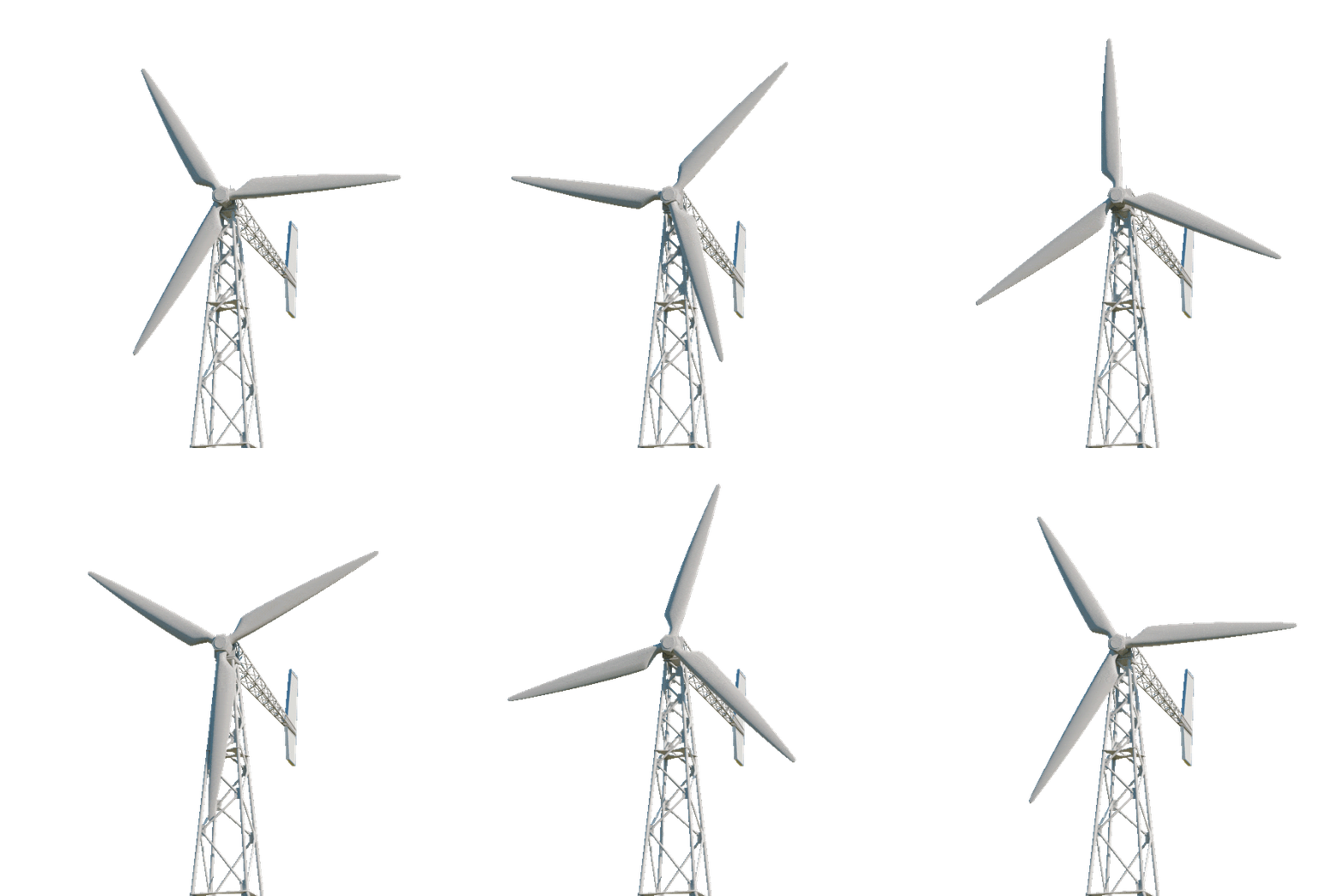

Horizontal Wind Turbines
-

Energy Storages
Still have questions?
-
When comparing sodium-ion battery vs lithium-ion battery for grid storage, sodium-ion is increasingly favored for its stability. While lithium-ion batteries offer higher energy density, sodium-ion batteries excel in scalability, safety, and temperature tolerance, all crucial for public energy infrastructure that operates under varying environmental conditions.
-
For commercial and infrastructure projects, sodium-ion battery cells offer major business advantages, like improved safety, and excellent low-temperature performance. This makes Na-ion battery technology especially suitable for off-grid power stations, and smart energy networks.
-
Integrating Na-ion battery storage with small wind turbines creates an autonomous and cost-efficient energy solution for businesses. This hybrid setup reduces grid dependence, stabilizes energy costs, and improves sustainability credentials.
-
For companies with high or continuous energy demand, hybrid systems ensure consistent power supply, reducing the need for costly diesel backup or peak-hour tariffs. Over time, the savings from self-generation and reduced grid dependency typically offset the installation cost, delivering strong ROI.
Modern hybrid setups, such as Freen’s integrated wind–solar–Na-ion systems, also qualify for various renewable energy incentives and tax benefits, further improving cost efficiency and supporting sustainability goals in industrial, agricultural, and municipal operations.
Start Saving on Your Business Energy Bills Today
Contact us to connect with renewable energy consultants in your area.

