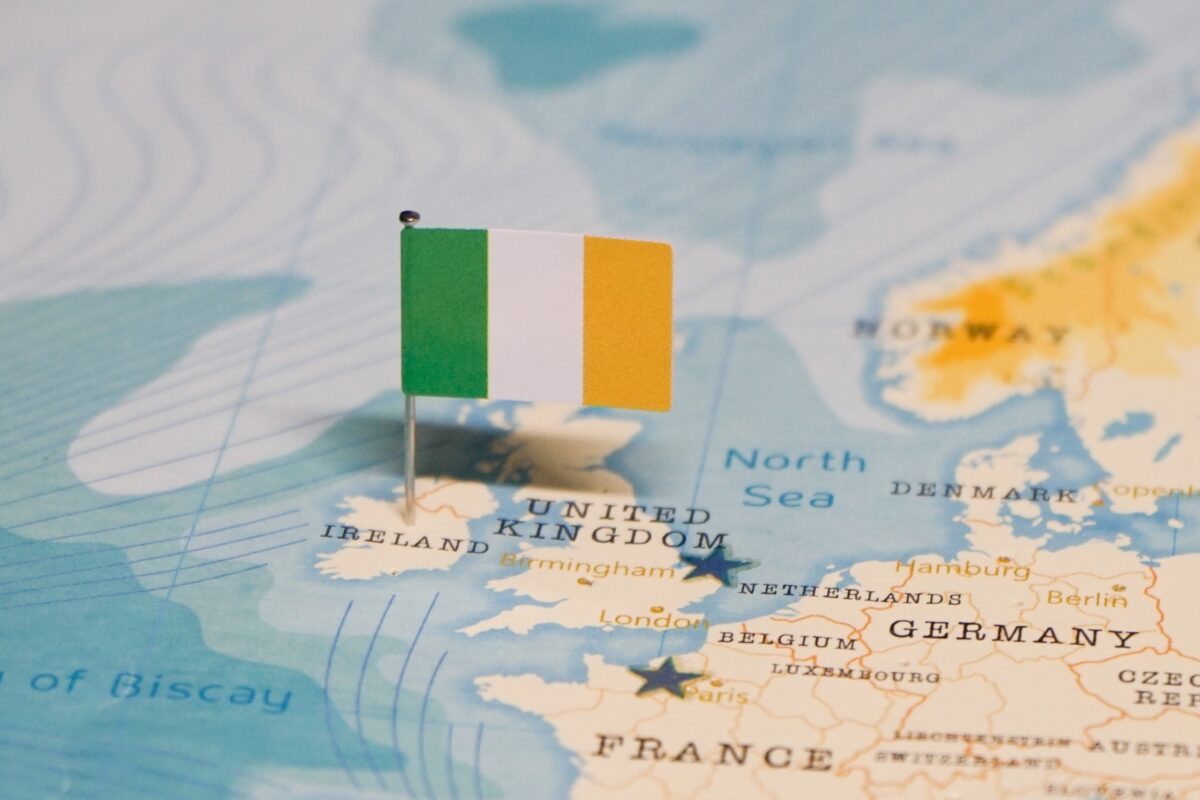
From the Dutch polders to the Belgian industrial zones, from the French countryside to the Swiss business parks and across the Channel to the UK, businesses are running into the same wall: the electricity grid cannot keep up with demand Businesses waiting for new capacity are discovering that the real cost of grid congestion is not only higher energy prices, but also delayed growth, stalled electrification, lost competitiveness, and operational uncertainty. The companies adapting fastest are not necessarily the biggest. They are the ones reducing dependence on overloaded networks through on-site generation, battery storage, and hybrid energy systems.
In this article, we explore grid congestion challenges in Europe and dive deeper into the solutions. You will learn what the real cost of waiting for grid congestion for business is, and how to proactively adapt.
The queue is longer than anyone is admitting
Grid congestion is not a niche technical problem. It is one of the defining business constraints of this decade in Europe, and the numbers behind it are striking.
Grid Congestion Netherlands Businesses: The Most Acute Crisis in Europe
In the Netherlands, the situation is the most acute. According to the National Grid Congestion Action Programme, 90% of Dutch businesses are experiencing direct or indirect consequences of grid congestion. Regional grid operators are sitting on over 14,000 connection requests, and the national operator TenneT is managing a further 212 large-scale requests. In some areas — Zuid-Holland, Utrecht, The Hague — the grid has simply reached its physical maximum. Stedin, one of the regional operators, expects the necessary expansions around The Hague to be completed in 2035 or 2036.
Grid Connection Delays UK: Businesses Facing Waits of Up to 15 Years
In the UK, the scale is different but the frustration is identical. The grid connection queue grew by 460% in the six months to June 2025. Some projects are waiting up to 15 years to connect to the grid. The government has acknowledged the crisis and launched a reform plan — but reform plans do not power a factory today. Commercial projects are facing delays stretching from 18 months to over a decade, and the businesses behind them are losing ground to competitors who found a different way.
Why Belgian Businesses Are Moving Toward Energy Independence
Belgium hit its own inflection point in early 2025. Elia and Fluvius — the country’s main grid operators — officially declared local grid congestion in Flanders and Wallonia and launched a joint action plan. The message to businesses was plain: heavy industrial connection requests cannot be granted immediately. The operators even created a dedicated web page to manage the fallout.
Structural Grid Pressure Is Growing
France is a slower burn, but no less real. Businesses requiring higher power capacity through Enedis face minimum waiting times of 6 to 9 months — and that is when capacity exists at all. The country needs 40,000 km of electrical lines upgraded by 2040, and 27% of aerial lines are already over 60 years old. Renewable energy curtailment hit a record high in 2024, meaning clean energy that was generated simply went to waste because the network could not absorb it. The grid is not failing, but it is strained in ways that directly affect businesses trying to grow.
Switzerland Energy Costs: When Waiting for Grid Stability Becomes Expensive
Switzerland presents a slightly different picture. The connection queue is less dramatic, but the bill is. Swiss industrial electricity prices are the second highest in Europe. New government levies — the electricity reserve tax, solidarised cost surcharges — appear on bills every year. The grid is transforming, and the cost of that transformation is being passed directly to businesses. Waiting for the grid to sort itself out in Switzerland means paying more, every year, while you wait.
The Hidden Cost of Grid Dependency
The queue itself is not the only problem. While a business waits for a grid connection or for capacity that keeps getting pushed back, costs accumulate in ways that rarely appear in a single line item.
Expansion plans stall. New production lines that needed power by Q3 get pushed to Q1 of the following year, or later. Electrification projects, like switching vehicles, machinery, or heating from fossil fuels to electricity, get shelved because the connection to support them is not available. Competitors who moved earlier, or who found an alternative, take the ground you were planning to occupy.
Then there is the tariff exposure. Every month spent drawing full consumption from a congested grid is a month paying peak rates with no buffer. In the Netherlands, businesses on waiting lists are still paying for electricity they cannot control. In Belgium, the fallback flex product, a temporary market mechanism for congested zones, adds another layer of complexity to what should be a simple question: how do we power our operations?
What businesses are actually doing
The companies that are moving forward are not doing anything radical. They are applying a straightforward logic: if the grid cannot give us the capacity we need, we will generate some of it ourselves and reduce what we need from the grid.
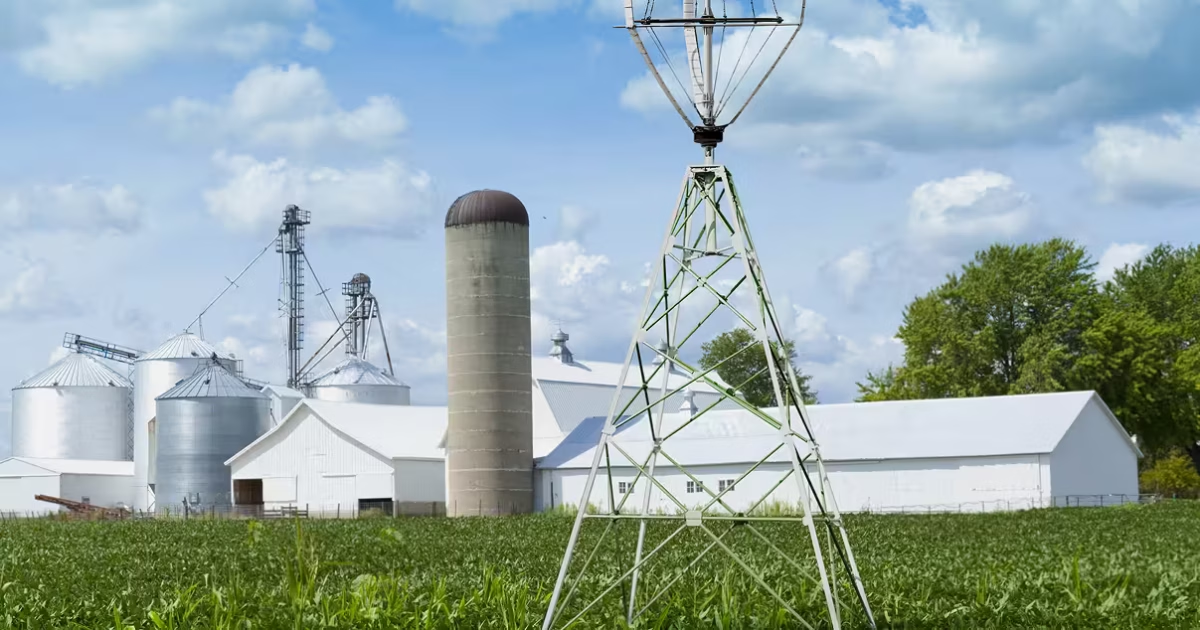
Small wind turbines, particularly 20 kW range — are emerging as one of the most practical tools for this. Not because they replace a grid connection entirely, but because they meaningfully reduce net demand. A 20 kW turbine on a farm in Wallonia, a logistics site in Normandy, or a commercial property in the Swiss Mittelland can generate 35,000 to 55,000 kWh per year. That is electricity that does not need to come through a congested substation.
Paired with sodium-ion battery storage — which stores what is generated and releases it during peak demand periods — the effect is compounded. The business draws less from the grid at precisely the moments when grid stress is highest. In Belgium, where the fallback flex scheme incentivises businesses to reduce consumption in congested zones, on-site generation and storage is not just a cost saving. It is a direct commercial advantage.
In the Netherlands, where 90% of businesses are affected and grid operators are actively encouraging decentralised alternatives, own power generation has moved from a green aspiration to an operational strategy. Dutch businesses that installed wind and storage two or three years ago are now insulated from the very problem that is blocking their competitors.
In the UK, where some projects face waits measured in decades, small wind turbines fall outside the large-scale grid connection requirements that are causing the backlog — meaning faster installation, fewer regulatory hurdles, and power on site while others are still waiting for a connection date.
Looking for an Alternative to Grid Connection Delays?
If your business is in a congested zone, facing a connection delay, or simply looking at an electricity bill that grows every year regardless of what you do — the question is not whether own generation makes sense. The numbers on that are increasingly clear. The question is: what is the right size for your site, what does the local wind resource look like, and what is the actual payback given current tariffs and available subsidies?
Those are answerable questions. And unlike a grid connection request, they do not go into a queue. Get in touch with us to explore your options!
Freen supplies compact 9 kW and 20 kW wind turbines and sodium-ion battery storage, designed and manufactured in Europe, for businesses and properties across the Netherlands, Belgium, France, Switzerland, and the UK.
If your business is facing a grid connection delay or rising energy costs, contact us at contact@freen.com for a free site assessment and generation estimate.