Running a remote telecom tower, or an off-grid farm on diesel alone is expensive, polluting, and fragile. Fuel deliveries fail. Generators break down at the worst moments. And diesel costs, including transport to remote locations, can exceed three to five times the standard pump price.
The answer that a growing number of infrastructure operators are choosing is a wind plus battery hybrid system or wind plus solar plus battery. When designed correctly, it can cut diesel runtime by 70–90%, and pay for itself in few years. Here is how it works, and why Freen’s turbines and sodium-ion batteries are purpose-built for exactly this challenge.
The Wind + Battery Hybrid Model
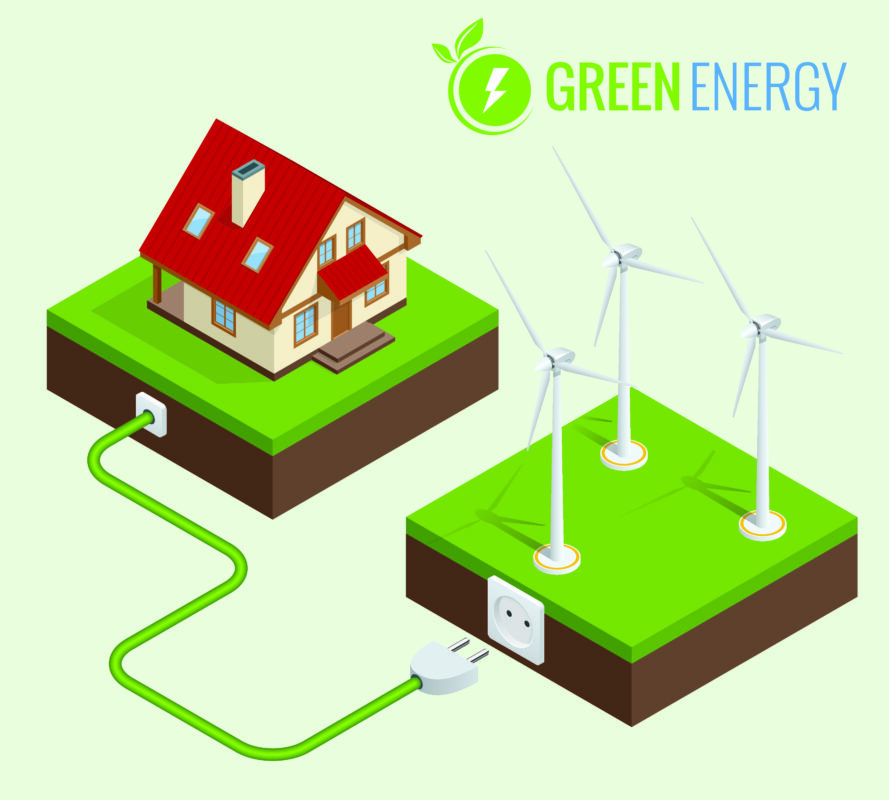
A hybrid system pairs a small wind energy turbine with a battery bank to create a resilient, self-managing power source. The logic is straightforward: the turbine generates power whenever wind is available — which, at exposed telecom tower sites, hilltop farms, or coastal security installations, is most of the time. Surplus generation charges the battery. When wind drops, the battery discharges to maintain load. The diesel generator only starts when both wind and battery are insufficient — typically in extended low-wind periods. This architecture achieves three things simultaneously: it reduces fuel consumption dramatically, it eliminates the vulnerability of single-source dependency, and it creates a system that can operate autonomously for weeks without human intervention.
Freen’s Solution: The Freen-9 and Freen-20
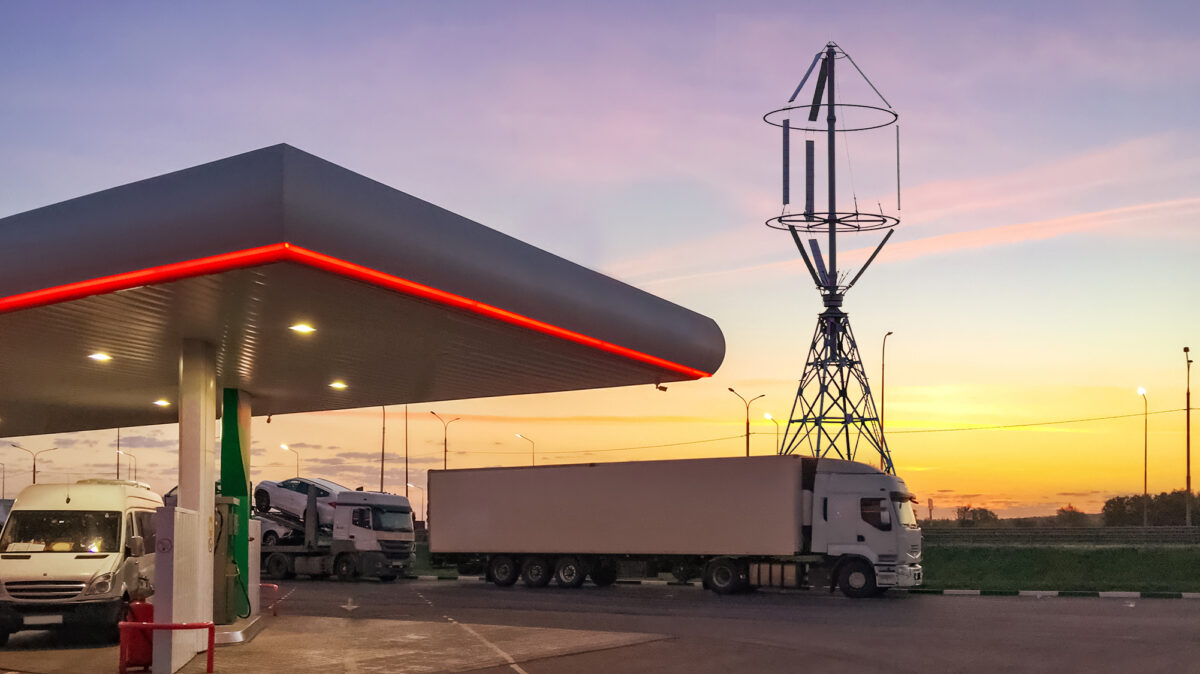
Freen designs vertical-axis wind turbines specifically suited to the challenging environments where remote infrastructure lives: variable wind directions, and sites where noise, vibration, and visual impact matter. The Freen-9 is a 9 kW vertical-axis turbine optimized for smaller loads — security cameras, monitoring stations, remote sensor arrays, and small telecom repeaters. Its vertical-axis design means it captures wind from any direction without needing to yaw, making it particularly effective at turbulent sites near structures or terrain features. The Freen-20 scales up to 20 kW, making it suitable for full telecom base stations, farm operations, broadcast relay points, and larger off-grid facilities. At 20 kW continuous rated output, a single Freen-20 can cover the baseline power demand of a mid-sized telecom tower and still produce surplus for battery charging. Both turbines are engineered for low maintenance — a critical factor for sites where a service visit might cost thousands in travel and logistics alone.
The Sodium-Ion Battery Advantage
Pairing the turbines with Freen’s sodium-ion battery storage system is what transforms intermittent wind generation into firm, dispatchable power. Sodium-ion technology has several advantages over conventional lithium-ion in remote and harsh-environment deployments. It performs reliably across a wider temperature range — important for mountain telecom sites or Nordic farm installations where winter temperatures can fall well below -20°C. It uses abundant, widely available materials, reducing both cost and supply chain risk. And it has a stable, non-flammable chemistry, which matters enormously for unattended sites where a thermal runaway event would be catastrophic and hard to respond to. For a typical telecom tower drawing 3–5 kW continuously, a properly sized sodium-ion bank provides 24–48 hours of backup autonomy, enough to ride through most low-wind periods without generator intervention.
How Diesel Replacement Actually Works
In most remote deployments, diesel is not eliminated overnight — it is gradually pushed into a backup role. In a Freen hybrid system, the wind turbine and battery handle the majority of daily energy demand automatically, while an intelligent controller continuously balances generation, storage, and consumption. During normal operation, the telecom tower, farm equipment, or security system runs directly from renewable energy and stored battery power. The diesel generator only activates when battery reserves fall below a defined threshold or during prolonged periods of unusually low wind conditions. In practice, this means the generator may run only a few hours per week instead of 24/7. The result is a dramatic reduction in fuel deliveries, maintenance intervals, noise, and operational risk, while preserving the reliability remote operators depend on. Over time, many sites can scale battery capacity and renewable generation further, reducing diesel usage to near-emergency-only operation.
Who Small Wind Turbine Is For
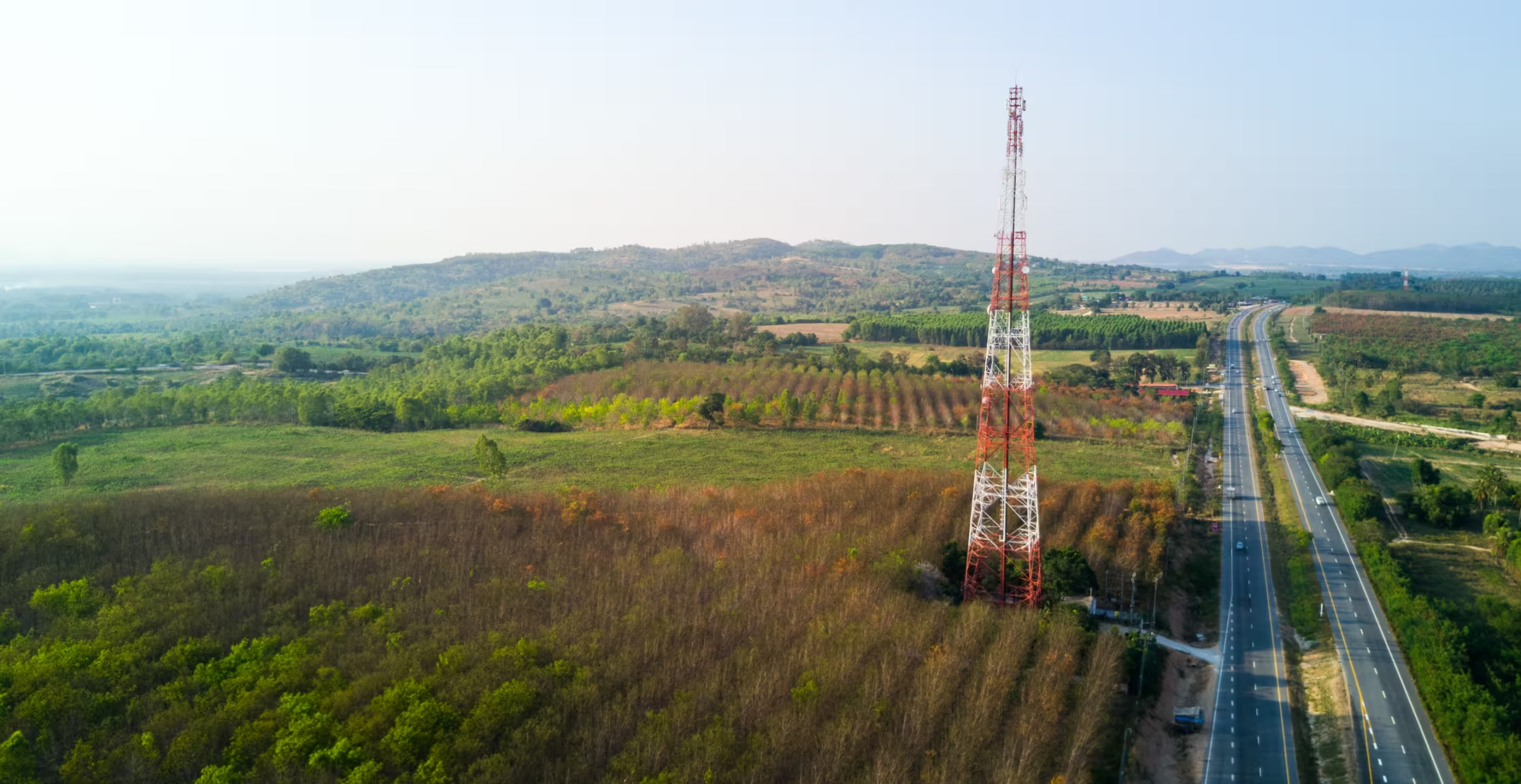
Telecom and broadcast operators running towers, relay stations, or remote data nodes outside grid reach will find the Freen-20 the natural workhorse, with the Freen-9 suited to smaller unmanned repeater sites.
Security infrastructure like monitoring, pipeline inspection, critical infrastructure perimeter systems benefit from the Freen-9’s compact footprint, low noise signature, and ability to operate without human oversight for extended periods.
Farms and agricultural operations increasingly depend on continuous power for irrigation controls, livestock monitoring, refrigerated storage, and crop drying. A Freen hybrid system delivers energy independence alongside meaningful reductions in operating cost.
The Off-Grid Alternative
For the vast majority of remote infrastructure operators, the question is not grid vs. off-grid but diesel vs. clean hybrid. Freen’s small wind energy turbines, paired with sodium-ion storage, represent a mature, commercially proven answer to that question. The technology is deployable today, the payback is measurable, and the operational risk profile is substantially lower than diesel dependency.
For remote ops, telecom, broadcast, and farm operators looking to take control of their energy supply, Freen is the off-grid alternative worth evaluating.
Contact us on contact@freen.com to explore the full product range and request a site assessment.