Corporate sustainability commitments and net-zero targets are reshaping energy procurement strategies. Small wind turbines provide measurable, verifiable renewable generation that strengthens ESG reporting while delivering tangible Scope 2 emissions reductions. For organizations pursuing credible decarbonisation pathways, on-site wind generation offers transparent, stakeholder-visible proof of environmental commitment.
Understanding Scope 2 Emissions and Renewable Energy Reporting
Scope 2 emissions – indirect greenhouse gases from purchased electricity – represent a major component of most organizational carbon footprints. The Greenhouse Gas Protocol requires companies to report both location-based and market-based Scope 2 emissions, creating opportunities for renewable energy procurement to demonstrate progress.
On-site renewable generation through small wind turbines simplifies Scope 2 reporting significantly. Unlike renewable energy credits or power purchase agreements from distant projects, owned turbines provide direct, location-specific generation data. Each kilowatt-hour produced displaces grid electricity, creating clear, auditable emissions reductions that auditors and stakeholders can verify.
Wind technology delivers consistent, measurable output that integrates seamlessly with sustainability reporting frameworks. Modern turbines include monitoring systems that track generation in real-time, providing the granular data needed for accurate carbon accounting and ESG disclosures.
ESG Benefits of Visible On-Site Generation
Stakeholder engagement increasingly demands concrete action over aspirational statements. A small wind turbine installed at a facility provides visible, tangible proof of sustainability commitment that resonates with employees, customers, investors, and communities.
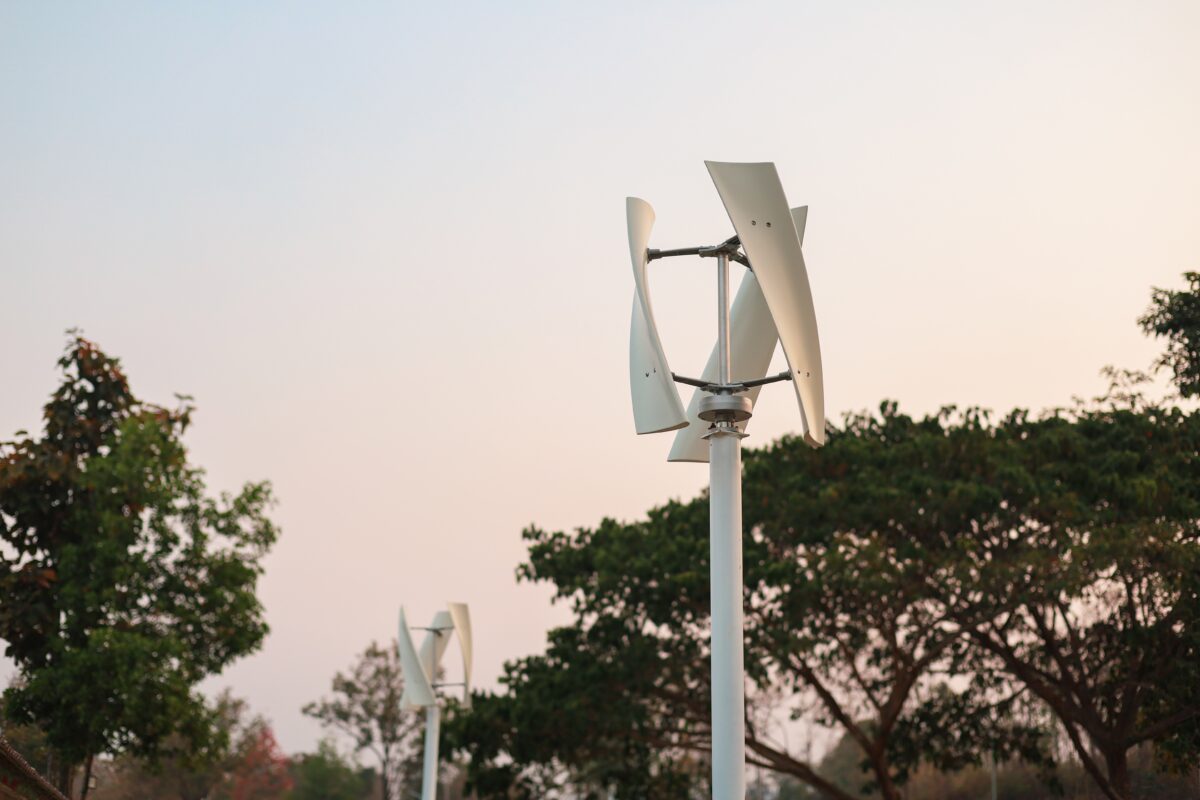
The small wind turbines from Freen serve as physical manifestations of environmental values. Unlike rooftop solar that may go unnoticed, vertical-axis wind turbines create distinctive visual presence that reinforces sustainability narratives in annual reports, investor presentations, and community relations.
Key ESG advantages include:
- • Transparent reporting – Direct measurement of renewable generation eliminates estimation and third-party verification complexity
- • Stakeholder confidence – Visible infrastructure demonstrates genuine commitment beyond greenwashing concerns
- • Employee engagement – On-site renewables boost morale and attract talent prioritizing environmental values
- • Investor appeal – Concrete decarbonisation assets strengthen ESG ratings and sustainable investment criteria
Quantifying Carbon Reductions for Net-Zero Pathways
Net-zero commitments require science-based emissions reductions aligned with limiting global warming to 1.5°C. Small wind turbines contribute directly to these targets by displacing fossil fuel-based grid electricity with zero-carbon generation.
The Freen-9 and Freen-20 turbines provide predictable annual generation based on site-specific wind resources. A typical commercial installation can offset 30-60 tonnes of CO2 annually, depending on local grid carbon intensity and wind conditions.
Calculating emissions reductions follows straightforward methodology:
- • Measure annual generation – Turbine monitoring systems provide accurate kWh data
- • Apply grid emission factors – Use location-specific CO2 per kWh values from national grids
- • Document avoided emissions – Multiply generation by grid factor for total Scope 2 reduction
- • Report in sustainability frameworks – Include in CDP, GRI, SASB, or TCFD disclosures
This transparent, auditable approach satisfies increasingly stringent ESG reporting requirements while building credibility with rating agencies and sustainability-focused investors.
Integrating Wind with Home Energy Storage Systems
Residential and small commercial applications benefit from combining wind turbines with battery storage. Home energy storage systems capture excess generation for use during low-wind periods, maximizing self-consumption and grid independence.
Modern sodium-ion batteries offer particular advantages for wind-plus-storage configurations. These batteries perform reliably across wide temperature ranges, handle frequent charge-discharge cycles from variable wind generation, and provide better safety profiles than traditional lithium-ion systems.
A Freen-9 turbine paired with a home battery creates a resilient, low-carbon energy system that:
- • Maximizes renewable utilization – Storage captures surplus generation that would otherwise export to grid
- • Enhances energy security – Battery backup maintains power during grid outages
- • Optimizes economics – Time-of-use arbitrage stores cheap wind energy for peak-rate consumption
- • Simplifies net-zero claims – High self-consumption rates strengthen residential carbon reduction narratives
Reporting Frameworks and Verification Standards
Multiple ESG reporting frameworks recognize on-site renewable generation as high-quality emissions reductions. Understanding how wind turbines fit into these frameworks helps organizations maximize reporting impact.
CDP (Carbon Disclosure Project) awards higher scores to companies with owned renewable assets versus purchased credits. GRI (Global Reporting Initiative) Standard 302 on Energy requires disclosure of renewable energy consumption, where on-site wind generation provides clear, attributable data.
Science Based Targets initiative (SBTi) criteria prioritize direct emissions reductions through owned renewables. Small wind turbines installed at operational facilities count toward science-based targets without the additionality questions sometimes raised by offset purchases.
Third-party verification of wind generation is straightforward. Turbine monitoring systems provide timestamped generation data that auditors can validate against utility bills and grid import records. This audit trail satisfies assurance requirements for sustainability reports and regulatory filings.
Financial Materiality and ESG Integration
ESG reporting increasingly intersects with financial disclosure as regulators mandate climate-related financial risk reporting. Small wind turbines demonstrate both environmental commitment and financial prudence, strengthening integrated reporting.
Fixed-cost wind generation hedges against volatile electricity prices, improving long-term cost predictability. This risk management benefit appears in TCFD (Task Force on Climate-related Financial Disclosures) reporting under strategy and risk management sections.
Organizations can access Freen products through straightforward procurement processes, with installation typically completing within weeks. The combination of environmental impact, financial savings, and reporting simplicity makes small wind turbines compelling ESG investments for organizations at any stage of their sustainability journey.
Ready to strengthen your ESG reporting with on-site wind generation?
We can help you assess wind resources, model carbon reductions, and integrate turbines into your sustainability strategy.
Contact us at contact@freen.com to start your ESG wind energy assessment.