For developers and urban planners designing eco-villages or sustainable housing communities, renewable energy integration has moved from nice-to-have to essential. Solar panels are now standard in most projects. However, wind – specifically small vertical-axis wind turbines designed for residential settings – remains underutilized. This represents a missed opportunity to create truly resilient, energy-independent communities that perform year-round, not just in summer.
Why Wind Complements Solar in Residential Developments
Solar generation follows predictable daily and seasonal patterns – strong in summer, weak in winter, silent at night. In contrast, residential energy demand doesn’t follow the same curve. Heating loads spike in winter, and evening consumption peaks when solar production drops to zero.
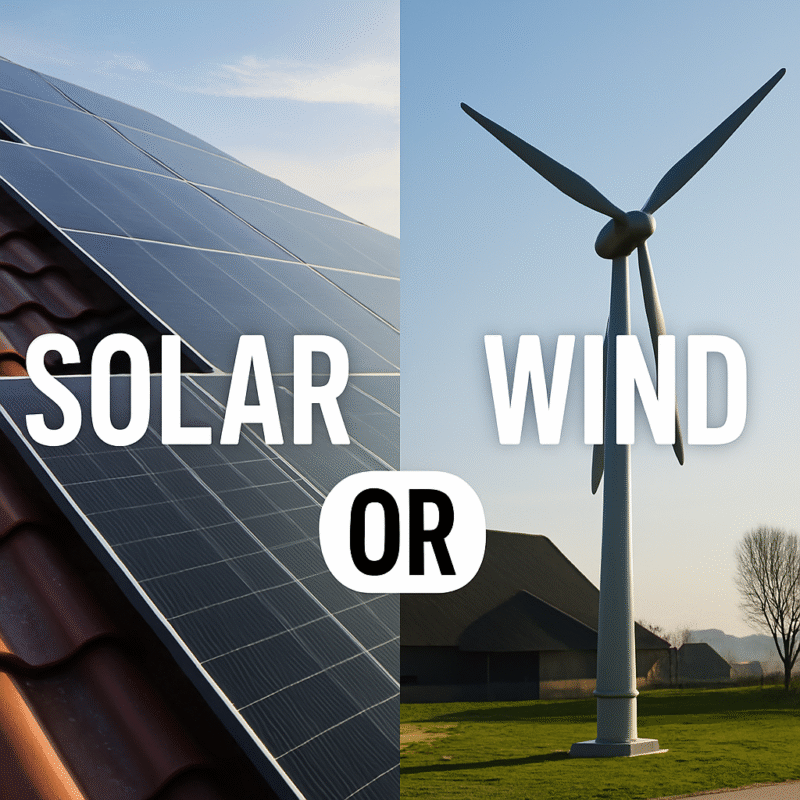
A small wind turbine for home fills these gaps by generating when solar can’t, particularly during autumn and winter months when wind resources are strongest across Northern and Central Europe. As a result, the combination creates a more stable energy profile. Where solar alone might achieve 30-40% self-sufficiency annually, adding wind can push this to 60-80% – a meaningful difference for residents seeking genuine energy independence and for developers targeting sustainability certifications.
Selecting the Right Turbine for Residential Settings
Not all turbines suit residential developments, and the key criteria differ from commercial or agricultural installations. First, noise levels matter – residents won’t accept industrial-grade equipment near their homes. Look for turbines rated below 45 dB at 100 meters – comparable to a quiet conversation or refrigerator hum. Freen-9, for example, operates at 45 dB at 100m, quieter than most household appliances.
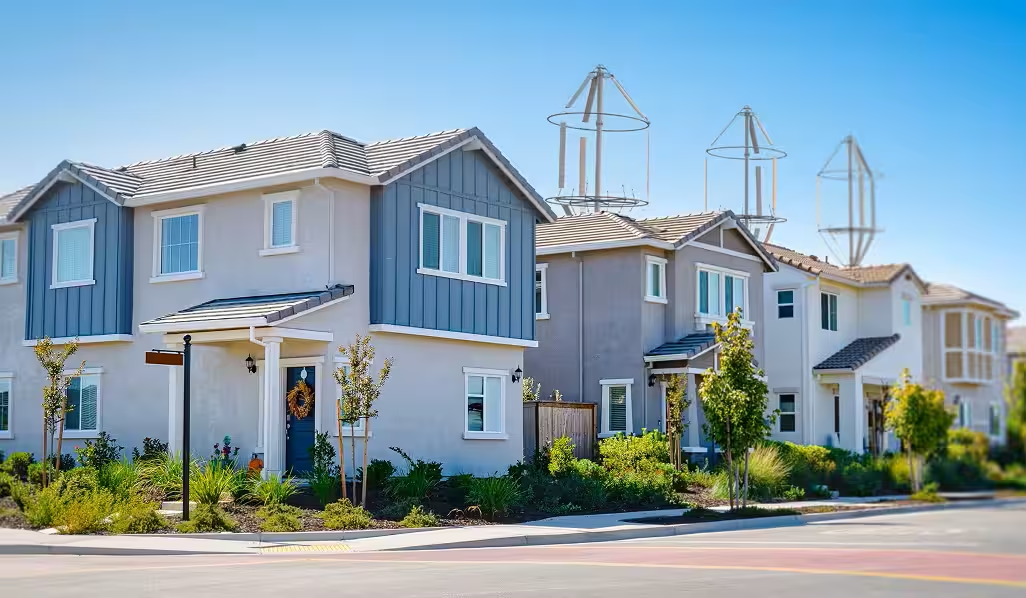
Additionally, visual impact counts – vertical-axis turbines have a smaller footprint and more compact profile than traditional horizontal designs. They don’t require yaw mechanisms or large setbacks from buildings, making them suitable for denser developments. Moreover, safety and certification are non-negotiable – ensure turbines carry CE marking, ISO 9001:2015 certification, and EN 1090-1 structural compliance. These aren’t just bureaucratic boxes – they’re proof of engineering rigor that protects both residents and your liability.
Finally, low wind speed performance is critical – residential sites often have lower average wind speeds than open farmland. A small vertical wind turbine for home should start generating at 3-3.5 m/s and perform effectively at 5-6 m/s average speeds – typical for suburban and semi-rural locations.
Master Planning: Where to Place Turbines
Integration works best when considered at the master-plan stage, not retrofitted later. Specifically, turbines perform best elevated above surrounding structures. Plan for dedicated masts at 10-15 meters minimum height, positioned to avoid turbulence from buildings. Spacing between turbines should be at least 10 times rotor diameter to prevent wake interference.
You can also pair turbines with rooftop solar on community buildings – schools, community centers, or shared facilities. This creates visible demonstration sites that educate residents while generating power. Additionally, decide early whether each home will have its own small wind turbine for home, or whether you’ll deploy shared turbines feeding a microgrid. Individual systems offer maximum autonomy; shared systems can be more cost-effective and easier to maintain.
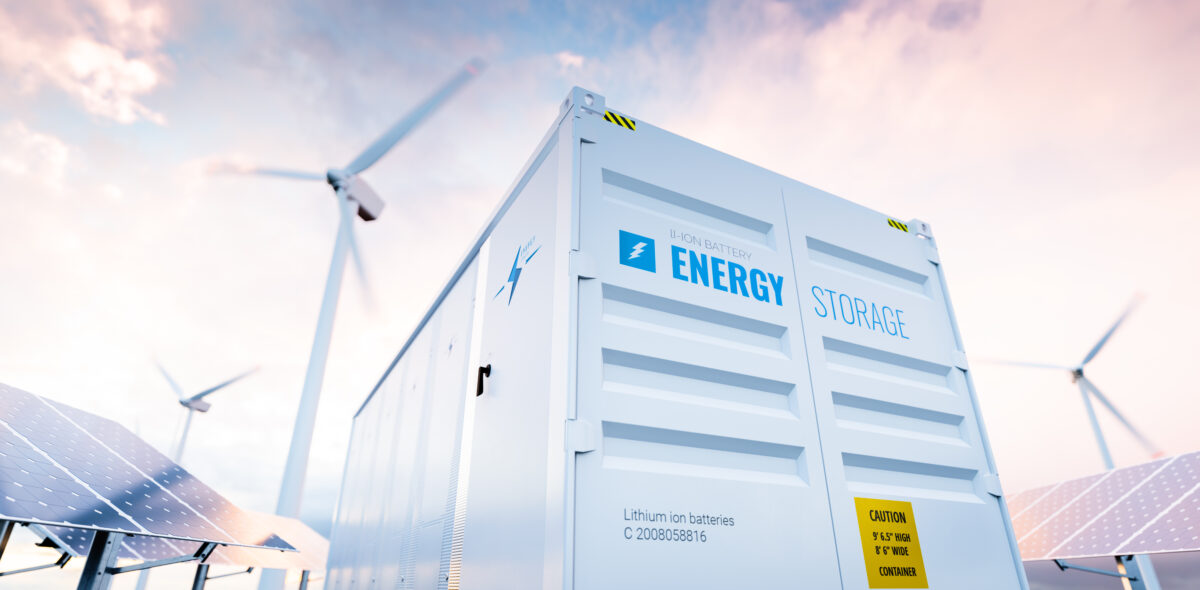
Since wind generation is variable, pair turbines with battery storage at household or community level to smooth supply and maximize self-consumption. Sodium-ion batteries offer particular advantages for community installations – wider temperature tolerance, non-flammable chemistry, and longer cycle life than conventional lithium-ion.
Certification Scoring: BREEAM, LEED, and Beyond
Integrating wind turbines can significantly boost sustainability certification scores:
- • BREEAM Communities awards points for on-site renewable energy generation, particularly when it demonstrates year-round performance. Wind’s winter generation complements solar’s summer peak, showing assessors a complete approach.
- • LEED for Neighborhood Development values distributed renewable energy and energy independence. Documenting expected annual generation from wind + solar hybrid systems strengthens your certification application.
- • Local planning requirements – many European municipalities now require new developments to show net-zero or near-zero carbon operation. On-site wind generation, combined with solar and storage, provides a credible pathway to compliance without relying entirely on grid electricity or expensive district heating connections.
Resident Communication: Addressing Concerns Early
Even in eco-conscious communities, residents may have questions about wind turbines. Therefore, address these proactively. For instance, provide decibel ratings and compare to familiar sounds. You can also offer site visits to existing installations so prospective buyers can hear turbines operating. Moreover, share studies showing renewable energy infrastructure can increase property values, particularly in sustainability-focused markets. Emphasize that modern vertical-axis turbines are visually unobtrusive.
Additionally, present generation data from comparable sites. Explain the hybrid approach – wind doesn’t replace grid connection or solar; it complements them, creating redundancy and resilience. Finally, clarify maintenance responsibilities. For individual home systems, this is typically the homeowner. For shared community turbines, factor maintenance costs into HOA fees and contract with qualified service providers.
Financial Models: Making It Work
Several approaches can make wind integration financially viable. For example, you can install turbines during construction and have residents purchase them as part of their home or through financing – this adds value to the property while keeping your upfront costs manageable. Alternatively, the development association or energy cooperative can own shared turbines, with residents buying in through shares or subscriptions. This works well for larger small wind energy turbines that serve multiple homes.
A third option is energy-as-a-service – a third party owns and operates the turbines, selling power to residents at below-grid rates. This requires no capital from you or residents, though long-term costs may be higher.
Case Studies: What’s Working Now
Across Europe, developers are successfully integrating small wind. The Netherlands provides strong examples – eco-villages in Friesland and Groningen deploy clusters of 9-20 kW turbines alongside solar, achieving 70%+ annual self-sufficiency. Similarly, rural housing cooperatives in Scotland use vertical-axis turbines to reduce dependence on expensive grid connections in remote areas. Meanwhile, KfW efficiency house standards in Germany increasingly combine solar, wind, and storage to meet strict energy performance requirements. These aren’t pilot projects or experiments – they’re proven models you can adapt.
Next Steps: From Concept to Implementation
If you’re planning a new development and want to integrate wind effectively, start with a wind resource assessment. This isn’t guesswork – use national wind atlases, local meteorological data, and on-site measurements if possible. Then engage with turbine manufacturers early in the design process. They can advise on optimal placement, expected generation, grid connection requirements, and integration with solar and storage systems.
Planning to build an environmentally sustainable residential complex?
We can help you assess wind resources, select appropriate turbine models, and design integrated renewable energy systems that meet certification requirements and resident expectations.
Contact us at contact@freen.com to discuss your project.