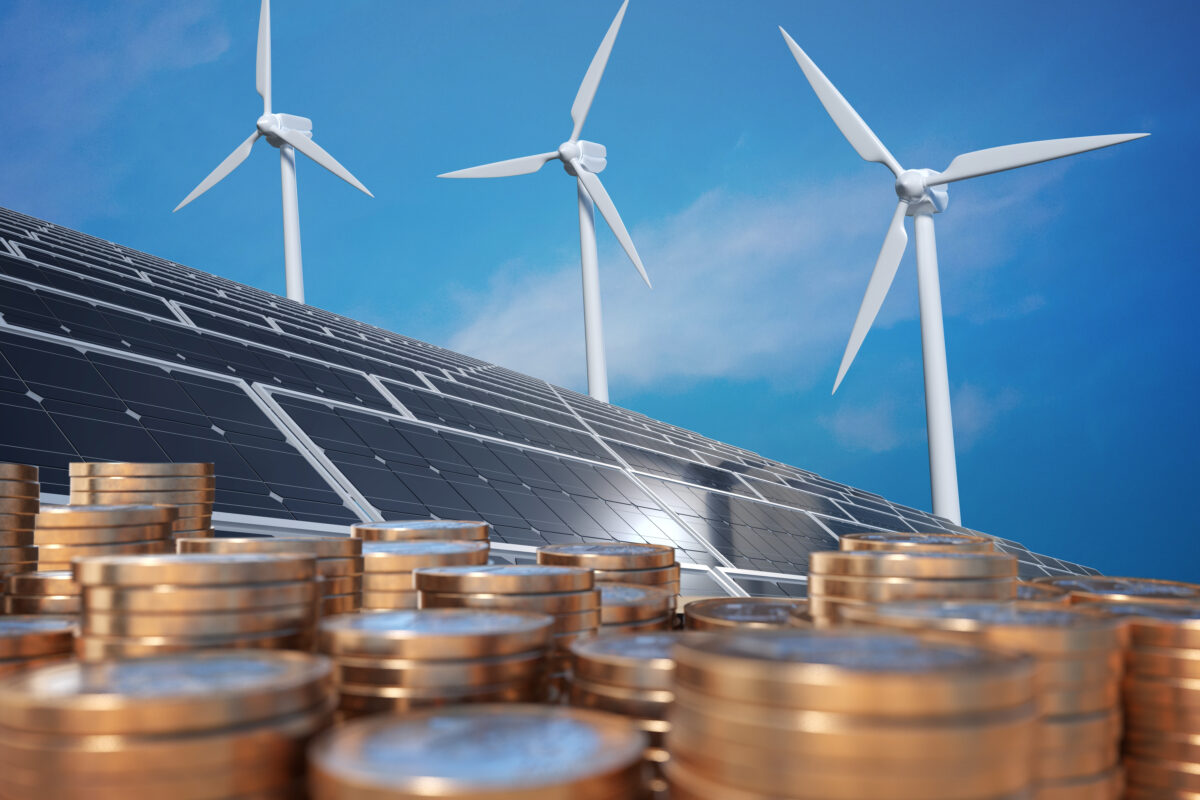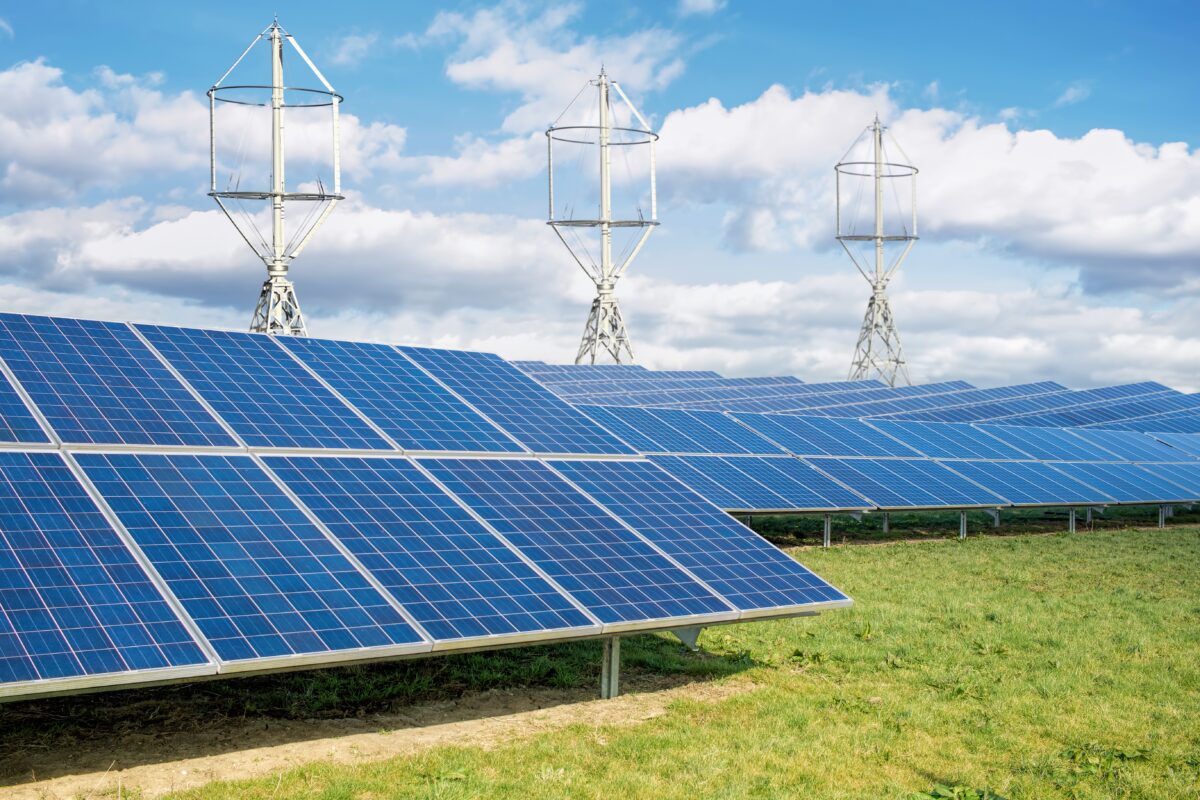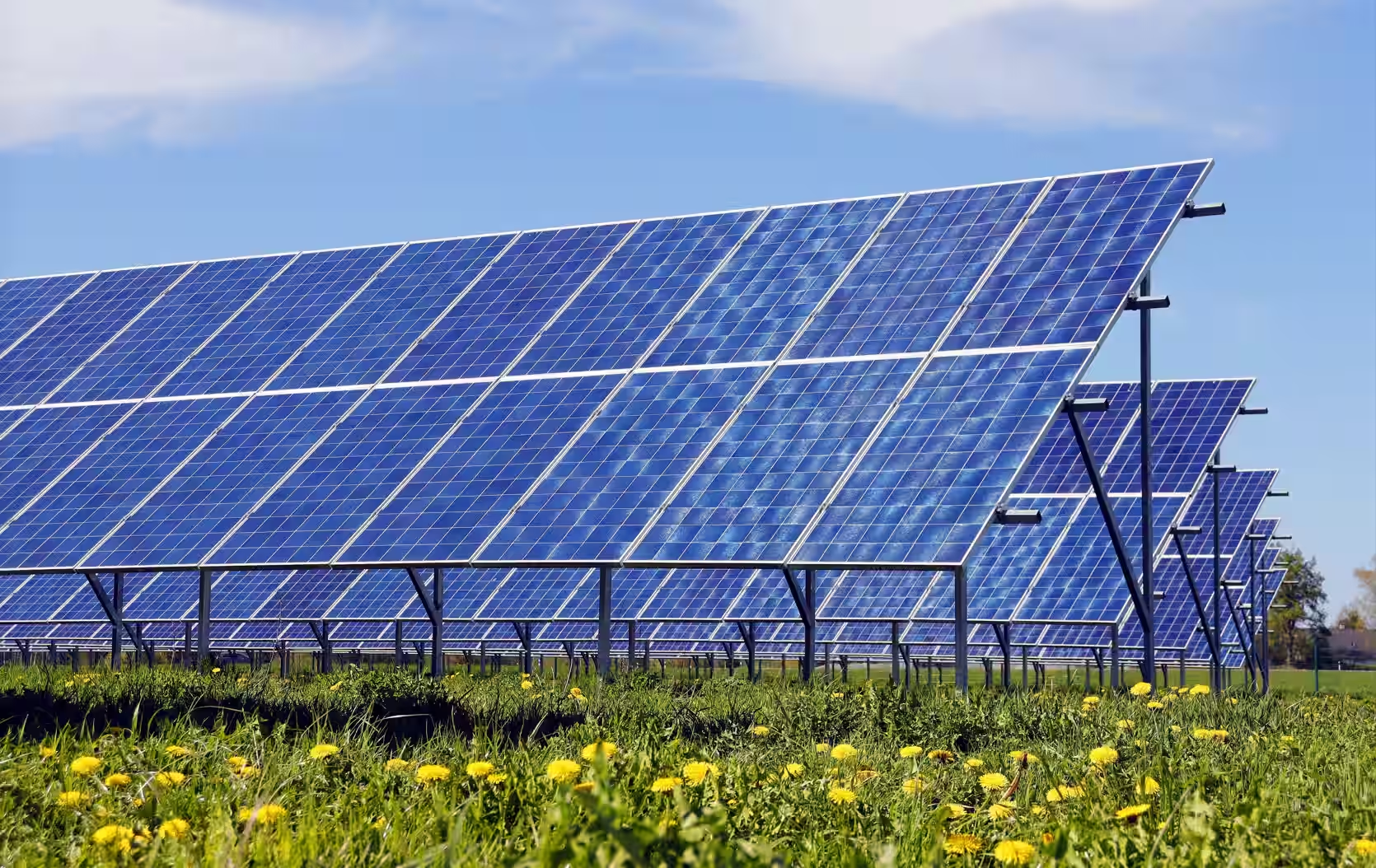
Solar panels were the obvious first step. They’re visible, understood, and increasingly affordable. But if you’re a homeowner in the Netherlands, a farm in Ireland, or a small business in Alsace, you’ve probably noticed the same thing: your solar array goes quiet exactly when you need energy most — in winter, at night, and on grey Atlantic mornings that last for months.
This isn’t a flaw in your installation. It’s a structural mismatch between what solar does well and what European climates actually deliver.
The Seasonal Blind Spot
Solar generation in Northern and Central Europe follows a steep seasonal curve. Output in December and January is typically 10–20% of the summer peak. In the UK, Ireland, and the Benelux, overcast skies further compress that figure. Meanwhile, heating loads, barn lighting, cold storage, and industrial process energy don’t follow the sun — they spike in winter.
Wind does the opposite. Across the European Atlantic coast and the North Sea corridor, wind resources peak between October and March. The storms that reduce solar yield are precisely what drives turbine output. The two sources are not competing; they’re filling each other’s gaps.
| Season | Solar output | Wind output | Grid dependency (solar only) |
| Summer | High | Moderate | Low |
| Autumn / Spring | Moderate | High | Moderate |
| Winter | Low | High | Very high |
This complementarity is strongest in the regions where Freen operates: the UK, Ireland, the Netherlands, Germany, and France — all of which combine significant wind resource with meaningful solar potential and high grid energy costs.
What This Means in Practice
For a homeowner, the gap is roughly 6–8 months when solar alone underdelivers. A small vertical-axis wind turbine — like the Freen-9 — generates power at night and in storm conditions, charges home battery storage, and reduces grid draw through autumn and winter without requiring planning permission in most EU jurisdictions.
For a farm, the case is sharper. Agricultural energy demand is constant and high: ventilation, refrigeration, pumping, and milking equipment don’t pause for seasons. Solar covers summer afternoons; wind covers the rest of the year and the overnight hours. Together they push self-sufficiency from a ceiling of roughly 30–40% (solar alone, annualised) toward 60–80%, which changes the economics of the whole site.
For an SME — a warehouse, light manufacturer, or logistics facility — the combination reduces peak-demand charges, which in Germany, France, and the Netherlands are billed separately from consumption. Wind smooths the overnight baseline; solar handles the midday spike. The hybrid system earns revenue faster than either technology alone.
Why Vertical-Axis, Specifically
Traditional horizontal-axis turbines require open exposure, consistent wind direction, and significant clearance from buildings. Vertical-axis wind turbines (VAWTs) respond to wind from any direction, operate effectively at lower wind speeds, and generate less noise — which matters for residential properties and working farms alike. Freen’s VAWT range is designed specifically for distributed, on-site generation rather than utility-scale fields, which means they integrate with existing solar and battery infrastructure rather than replacing it.
What This Looks Like in a Winter Scenario
Neither solar nor wind is a complete solution in European latitudes. Solar alone leaves a winter energy gap that forces expensive grid dependency precisely when electricity prices are highest. Wind alone misses the long summer days when generation is essentially free. Combined with storage to bridge the hours between, they produce something that neither achieves independently: genuine year-round energy resilience.
Take a medium-sized farm in Northern Europe using a hybrid system with solar, battery storage, and a single Freen-20 vertical-axis wind turbine. During winter, solar production often drops dramatically due to short daylight hours, cloud cover, snow, and low sun angles. This is exactly when farms typically increase electricity consumption for lighting, ventilation, refrigeration, water pumping, or livestock operations.
The advantage of wind is that winter is also the strongest production season.
Based on the Freen-20 annual energy production curve, even moderate average winter wind speeds can generate meaningful energy output:
| Average winter wind speed | Estimated annual production | Approx. winter contribution* | What it means in practice |
| 5 m/s | ~17.9 MWh/year | ~9–11 MWh during autumn/winter | Can significantly reduce winter grid/diesel consumption for lighting, pumps, refrigeration, and battery charging |
| 6 m/s | ~30.2 MWh/year | ~15–18 MWh during autumn/winter | Enough to cover a substantial share of continuous farm baseload demand during the most expensive energy months |
*Winter contribution estimates are indicative only and based on typical seasonal wind distribution patterns observed across Northern and Western Europe, where wind resources are generally strongest between October and March. Actual energy production varies significantly from site to site and depends on local wind conditions, terrain, nearby obstacles, turbine placement, hub height, turbulence, and overall system configuration. Every location requires an individual assessment, and projected output should always be validated through a dedicated site and wind analysis. See Global Wind Atlas for reference data.
In practical terms, a farm operating at an average winter wind speed of 6 m/s could generate several times more electricity during the darkest months than a comparable rooftop solar installation alone. Instead of importing expensive evening and overnight electricity from the grid, the turbine continues producing through storms, cloudy periods, and nighttime conditions, exactly when solar output falls close to zero.
A properly balanced system combining solar, wind, and storage does not rely on a single weather pattern. It spreads risk across seasons, stabilizes energy costs, and improves self-sufficiency throughout the year.
Is a Wind Turbine a Viable Option for Your Site?
Solar was the first step toward energy independence. In much of Europe, wind is what makes that independence work year-round. For farms, homes, and businesses facing rising electricity costs and increasing grid uncertainty, hybrid systems are no longer experimental, they are becoming the most practical path toward stable, predictable energy.
If you want to understand what wind could change in your specific energy situation, contact us at contact@freen.com
We can assess your location, local wind conditions, energy consumption profile, and existing solar installation to estimate how much a hybrid system could reduce your grid dependency and energy costs.