Small wind turbines generate verifiable ESG metrics including 0.4-0.6 kg CO2 reduction per kWh, 20-25 year operational lifespan with 95% recyclability, and measurable social impact through energy independence and local job creation. This guide covers specific environmental, social, and governance metrics that small wind installations deliver, aligned with GRI, CDP, and TCFD reporting frameworks.
Environmental Metrics: Quantifiable Carbon Impact
Environmental metrics form the foundation of wind energy’s ESG value proposition. Unlike purchased renewable energy credits, on-site wind generation provides direct, measurable emissions reductions that strengthen sustainability reporting and carbon disclosure.
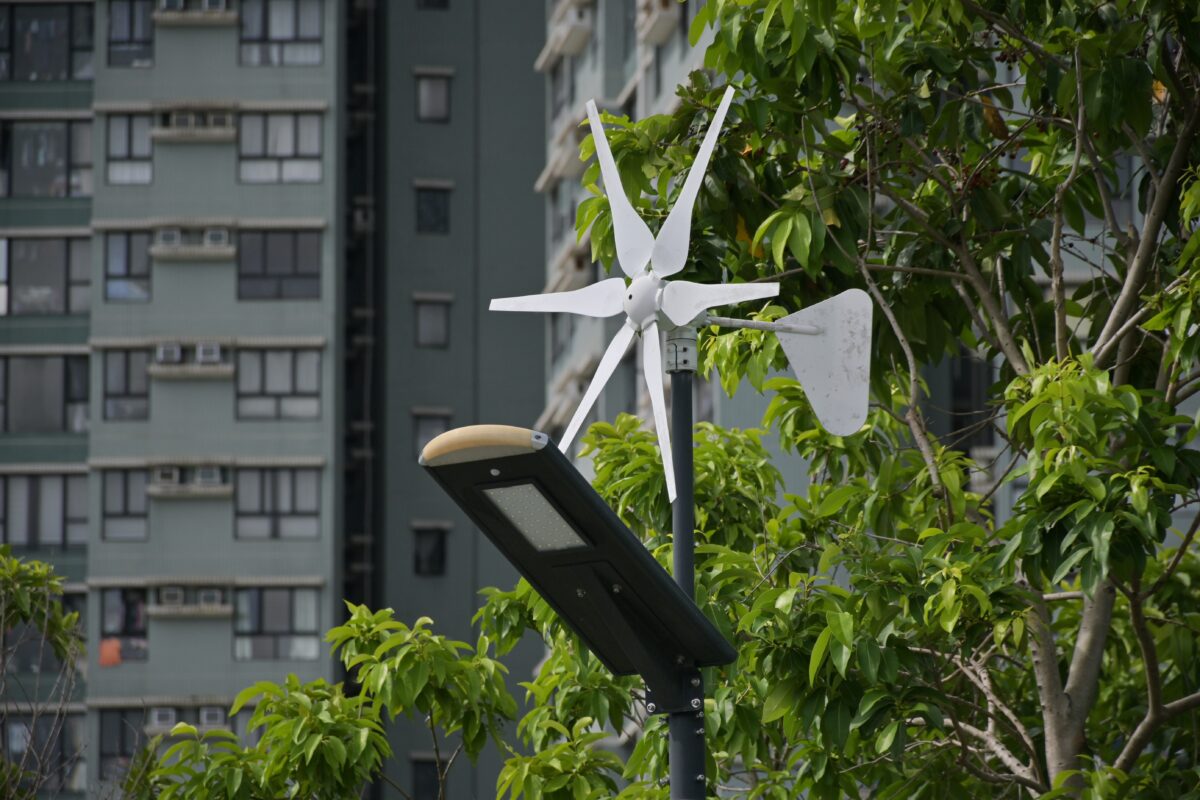
The Freen-9 turbine operating in favorable wind conditions (6 m/s average) produces approximately 10,000 kWh annually, displacing grid electricity and avoiding 4-6 tonnes of CO2 emissions per year. Over a 20-year lifespan, this translates to 80-120 tonnes of cumulative carbon reduction.
Key environmental KPIs for small wind installations:
- • CO2 emissions avoided – 0.4-0.6 kg per kWh generated, depending on local grid carbon intensity
- • Renewable energy percentage – 60-100% of facility consumption from clean sources
- • Equivalent trees planted – 10,000 kWh/year equals approximately 165 trees grown for 10 years
- • Fossil fuel displacement – 3,000-4,000 liters of diesel or 2,500-3,500 kg of coal avoided annually
Freen-20 turbines at 20 kW capacity double these impacts, generating 20,000-30,000 kWh/year and avoiding 8-18 tonnes of CO2 annually depending on wind resources.
Social Metrics: Community and Workforce Impact
Social metrics capture wind energy’s contribution to local communities, workforce development, and energy equity. Small wind projects create tangible benefits beyond environmental impact.
Installation and maintenance of small wind turbines generate local employment opportunities. A typical 10-20 kW installation requires 3-5 skilled workers for 2-3 days, creating 15-25 person-days of employment. Ongoing maintenance generates 0.5-1 full-time equivalent jobs per 100 installations.
Social impact metrics include:
- • Local jobs created – 15-25 person-days per installation plus ongoing maintenance employment
- • Energy access improvement – Remote facilities achieve 70-95% energy independence
- • Energy cost reduction – 60-80% lower electricity costs over 10 years benefiting operational budgets
- • Community resilience – Distributed generation reduces grid strain and blackout risks
Educational institutions and community organizations installing wind turbines report enhanced STEM engagement and environmental awareness among stakeholders.
Governance Metrics: Transparency and Compliance
Governance metrics demonstrate organizational commitment to ethical business practices, regulatory compliance, and transparent sustainability reporting. On-site renewable energy installations strengthen governance credentials through verifiable action.
Freen products comply with IEC 61400 international standards and CE marking requirements, providing documented certification trails for procurement audits. Manufacturing transparency and supply chain traceability support responsible sourcing disclosures.
Governance KPIs enhanced by wind energy adoption:
- • Renewable energy policy compliance – Alignment with EU Renewable Energy Directive and national mandates
- • Third-party verification – IEC certification, CE marking, and performance testing documentation
- • Supply chain transparency – Traceable component sourcing and manufacturer disclosures
- • Stakeholder engagement – Visible sustainability infrastructure demonstrating commitment beyond greenwashing
Reporting Frameworks and Standards Alignment
Small wind turbine installations contribute to multiple ESG reporting frameworks, providing auditable data for sustainability disclosures.
GRI (Global Reporting Initiative) Standard 302 on Energy requires disclosure of renewable energy consumption and energy intensity. On-site wind generation provides clear, attributable data for GRI 302-1 (energy consumption) and GRI 305-1 (direct greenhouse gas emissions).
CDP (Carbon Disclosure Project) awards higher scores to companies with owned renewable assets versus purchased credits. Wind turbines installed at operational facilities count toward science-based targets without additionality questions.
TCFD (Task Force on Climate-related Financial Disclosures) recommendations require disclosure of climate-related risks and opportunities. Wind energy investments demonstrate proactive climate risk management and transition strategy execution.
| ESG Metric Category | Specific KPI | Freen-9 Annual Impact | Freen-20 Annual Impact |
| Environmental | CO2 emissions avoided | 4-6 tonnes | 8-18 tonnes |
| Environmental | Renewable energy generated | 10,000 kWh | 20,000-30,000 kWh |
| Environmental | Equivalent trees planted | ~165 trees | ~330-500 trees |
| Social | Jobs created (installation) | 15-25 person-days | 20-35 person-days |
| Social | Energy cost savings (10yr) | €30,000-50,000 | €60,000-100,000 |
| Governance | Certifications | IEC 61400, CE | IEC 61400, CE |
Integration with Energy Storage for Enhanced ESG
Combining wind turbines with battery storage amplifies ESG metrics by maximizing renewable energy utilization and grid independence. Home energy storage systems capture excess generation for use during low-wind periods, increasing self-consumption rates from 40-60% to 80-95%.
Modern sodium-ion batteries offer superior ESG credentials compared to traditional lithium-ion: lower environmental impact from abundant materials, better safety profiles reducing fire risks, and excellent recyclability at end-of-life.
Hybrid wind-battery systems deliver enhanced metrics:
- • Renewable energy utilization – 80-95% self-consumption versus 40-60% without storage
- • Grid independence – 70-90% reduction in grid dependence enhancing energy security
- • Circular economy – 95% of turbine materials and 90% of battery components recyclable
- • Lifecycle emissions – Full system carbon payback in 1-2 years of operation
Data Collection and Verification Methods
Accurate ESG reporting requires reliable data collection and third-party verification. Modern wind turbine technologies include integrated monitoring systems that track generation, performance, and availability in real-time.
Best practices for ESG data management:
- • Automated metering – Smart meters record generation and consumption with timestamped data
- • Remote monitoring – Cloud-based platforms provide continuous performance tracking
- • Annual audits – Third-party verification of generation data and emissions calculations
- • Blockchain verification – Emerging technology for immutable renewable energy certificates
Review the frequently asked questions for guidance on monitoring system setup and data export for ESG reporting.
Case Studies: Real-World ESG Performance
Documented case studies demonstrate measurable ESG impact from small wind installations across sectors.
A municipal wastewater treatment plant installing two Freen-20 turbines achieved 18 tonnes annual CO2 reduction, €45,000 energy cost savings over 10 years, and enhanced CDP score from B to A-. The visible infrastructure strengthened community relations and supported green bond issuance.
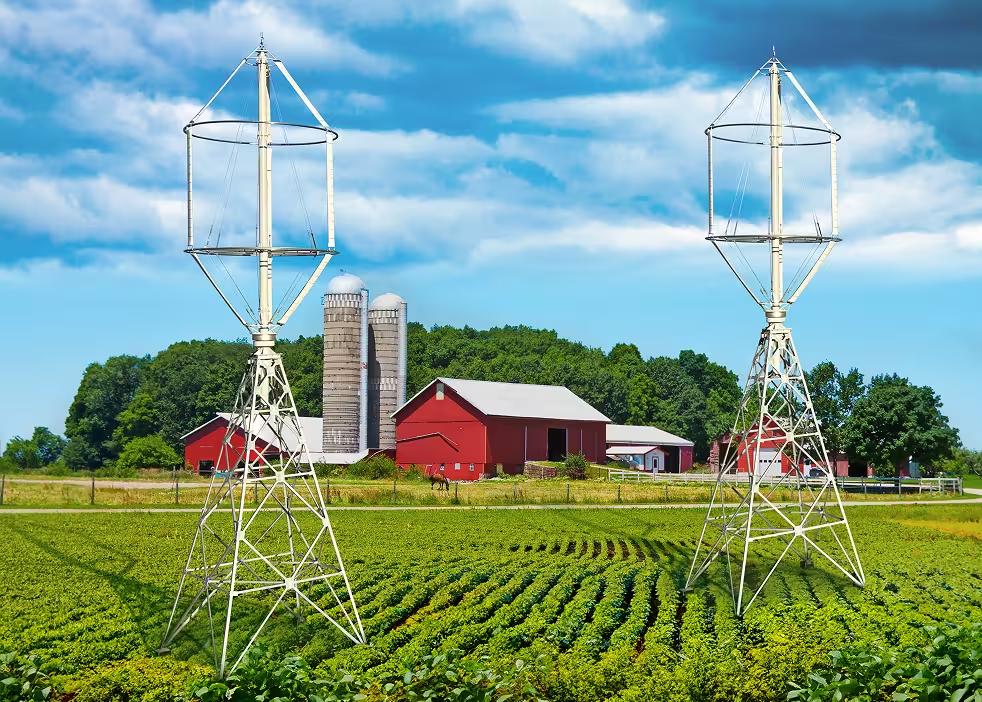
An agricultural cooperative with five Freen-9 installations reported 25 tonnes combined annual carbon avoidance, 85% energy self-sufficiency across facilities, and creation of 3 permanent technician positions for maintenance. The project qualified for EU rural development funding and strengthened producer brand positioning.
For comprehensive ESG impact assessment tailored to your organization, contact contact@freen.com to discuss measurement frameworks and reporting integration.
Ready to quantify your wind energy ESG impact?
We can help you establish baseline metrics, implement monitoring systems, and integrate wind generation data into your ESG reporting framework.
Contact us at contact@freen.com to start your ESG measurement program.